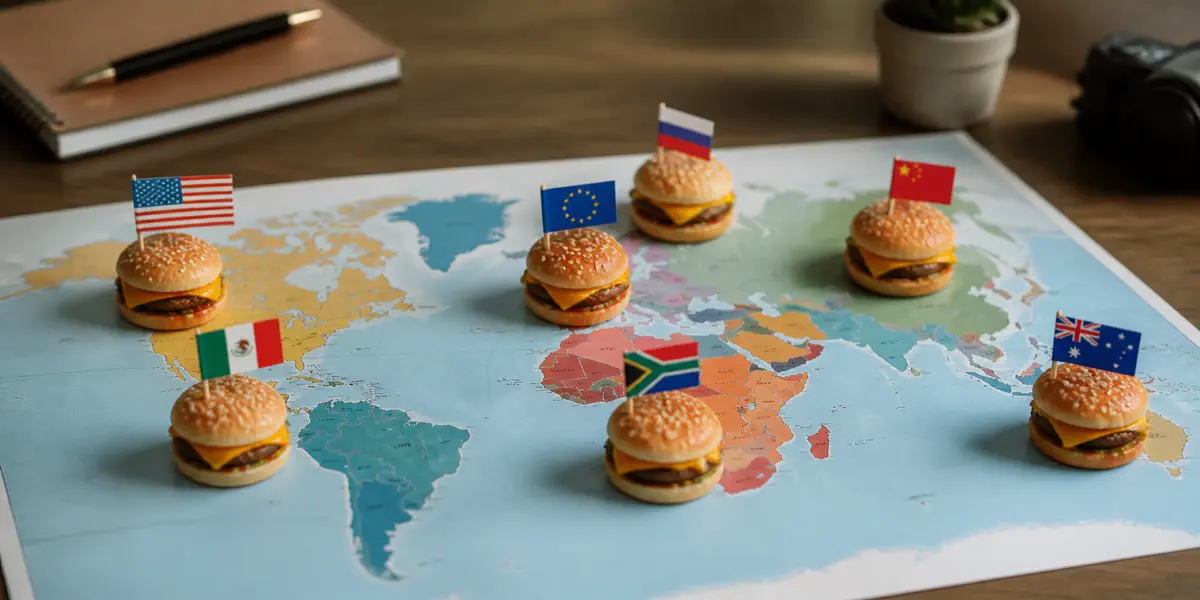
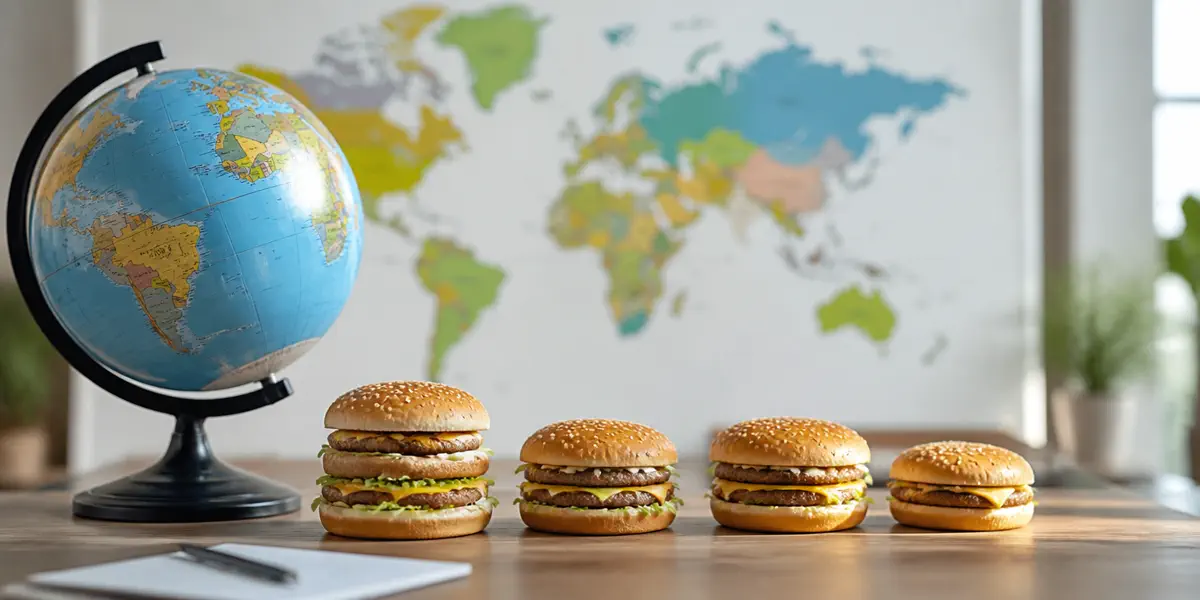
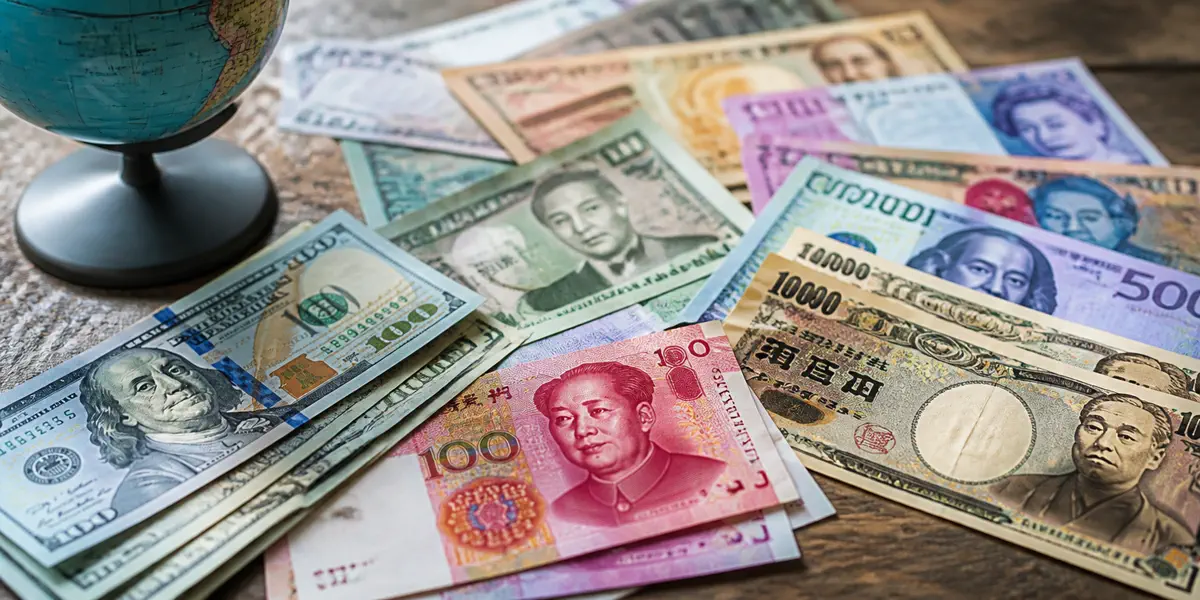
That's the whole trick — the index lays out, on a single page, which currencies look cheap or pricey against the dollar.
2026: Where Does the Burger Cost the Most?
Start with the most expensive — TOP 5:
1. Switzerland — ~$8.20 (the priciest Big Mac on Earth)
2. Norway — ~$7.60
3. Uruguay — ~$7.10
4. Sweden — ~$6.80
5. Canada — ~$6.50
Now the cheapest — TOP 5:
1. Egypt — ~$1.60
2. Indonesia — ~$2.30
3. India — ~$2.40 (Chicken Maharaja Mac, since beef is out)
4. Taiwan — ~$2.50
5. Malaysia — ~$2.70
Switzerland to Egypt is a fivefold gap. Same burger. And South Korea? About $3.70 — right in the middle of the pack. On the burger benchmark, that puts the won roughly 30% cheaper than the dollar.
It's Not Perfect — That's the Fun Part
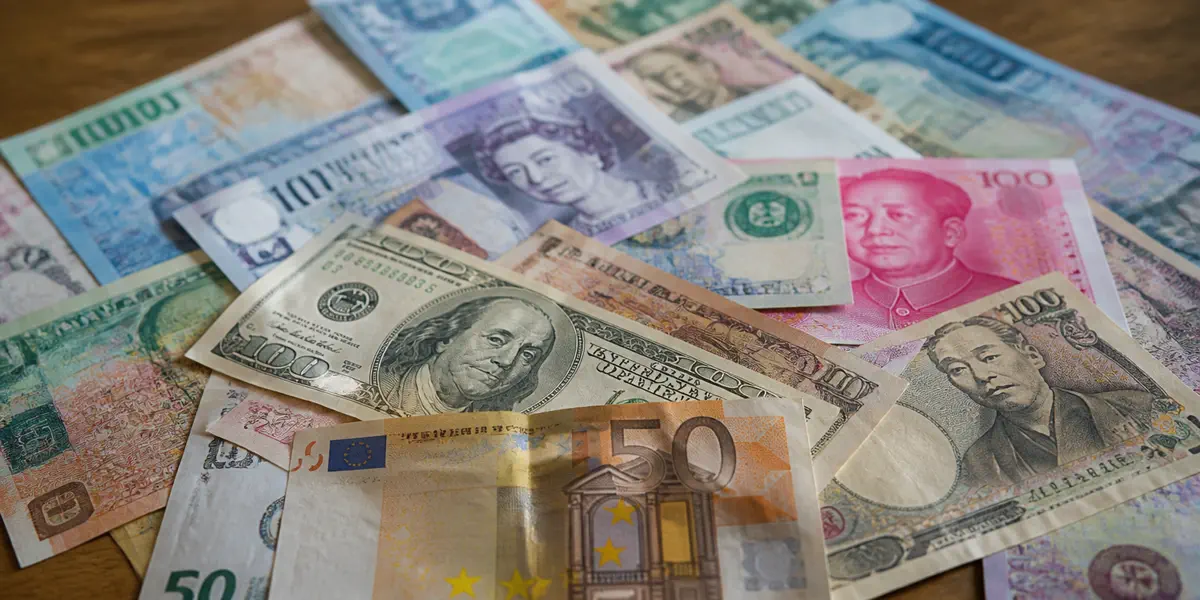
The index is no precision instrument. Labor costs, rent, taxes, and food culture swing wildly from country to country, so a straight comparison leaves gaps. In India, where beef isn't commonly eaten, they swap in the Chicken Maharaja Mac entirely.
And yet it survives for a clear reason: it translates tangled exchange-rate theory into kitchen-table language. The moment you blurt out "A Big Mac in Switzerland costs over $8?!" you've already grasped half of how currencies work.
Try guessing Big Mac prices around the world — your feel for global prices sharpens faster than you'd think.
Work the Numbers and It Really Lands
At its core, the index reverse-engineers a "fair" exchange rate from a burger price. Let's walk it slowly. Suppose a Big Mac costs about $5.80 in the U.S. and, at the same moment, about 5,500 won in South Korea. If both prices buy the same burger, the implied fair rate is 5,500 won ÷ $5.80 ≈ 948 won per dollar. Yet the actual market rate is roughly 1,350 won per dollar — meaning the market demands more won to buy a dollar than the burger math suggests.
As a ratio, (948 − 1,350) ÷ 1,350 ≈ −0.30 — so on the burger benchmark the won reads as about 30% undervalued against the dollar. The reverse runs the same way. When a Big Mac runs as high as ~$8.20 in Switzerland, the franc reads as overvalued against the dollar. Keep one thing in mind: this isn't a verdict that "the exchange rate is wrong," just a simple comparison that isolates prices.
- Fair (PPP) rate = local Big Mac price ÷ U.S. Big Mac price
- Undervalued = the fair rate sits below the actual rate (like the won example)
- Overvalued = the fair rate sits above the actual rate (like the franc example)
Where Everyone Gets Tripped Up — Three Myths
Myth 1: "A cheap Big Mac means a poor country." Not so. A Big Mac's price bakes in local wages, rent, and taxes, so a country with high incomes but low dining-out and service costs can still post a cheap burger. The index scores currency value, not national wealth.
Myth 2: "If a currency is undervalued, its rate will rise soon." Personally, this is the most dangerous slip of all. The index is not a directional forecast. Currency values move on interest rates, trade balances, policy, and a dozen other things, and the record shows undervalued readings sitting put for years. The gauge only says "here's how it looks on prices right now."
Myth 3: "Same burger everywhere, so it's a perfect comparison." Recipes are similar, but some places swap beef for chicken (India), and store rents and minimum wages vary widely. That's why The Economist also publishes an adjusted version that accounts for income per person. Treat the index as a friendly guide that turns knotty currency talk into a single burger — not a precision instrument.