🔍

빅맥지수 퀴즈 — 나라별 빅맥 가격 맞히기

Big Mac Index Quiz — Guess Prices by Country

이 게임으로 배우는 것What you learn here

이 게임을 플레이하면 '환율 숫자 하나로는 알 수 없던 진짜 물가 차이'를 햄버거 한 개로 또렷하게 느끼게 됩니다. 똑같은 빅맥인데도 나라마다 가격이 다른 이유를 따라가다 보면, 인건비·임대료·세금처럼 우리가 평소 의식하지 못하던 요소들이 제품 가격 안에 어떻게 녹아 있는지 자연스럽게 보이거든요. 또 어떤 통화는 환율보다 싸게, 어떤 통화는 비싸게 거래된다는 사실을 직접 분류해 보면서 구매력평가(PPP)라는 다소 추상적인 개념이 '내 지갑으로 체감되는 생활비'로 바뀝니다. 해외여행을 가서 '여기 물가 왜 이래?' 하고 놀랐던 경험의 정체를 숫자로 설명할 수 있게 되는 셈이에요. 동시에 빅맥 하나로 통화 가치를 재는 방식이 얼마나 단순화된 도구인지, 그 한계까지 함께 배우게 됩니다.Playing this mode makes the real cost-of-living gap that a bare exchange rate hides snap into focus through a single hamburger. As you trace why the same Big Mac costs different amounts from country to country, you start to see how labor, rent, and taxes quietly fold themselves into a product's price. Sorting which currencies trade cheaper or dearer than their exchange rate suggests turns purchasing power parity, an otherwise abstract idea, into something your wallet can feel as everyday living costs. That surprise of 'why is everything priced like this here?' on a trip finally gets a number behind it. At the same time, you come to appreciate just how simplified a tool one burger really is, limits and all.

🍔 빅맥지수
🔥0
👑 0

어느 나라의 빅맥이 더 비쌀까요? (USD 기준)

가격 감각을 키우는 추측 게임 · 정답도 매매 신호가 아닙니다

빅맥지수의 매력은 거시경제를 햄버거 하나로 줄여 버리는 그 뻔뻔함에 있습니다. 어디서나 거의 똑같은 제품이라, 나라별 가격을 비교하면 환율이 과대·과소평가됐는지에 대한 직관이 한 장면으로 잡히죠.

이 모드는 두 나라를 나란히 놓고, 구매력평가(PPP)라는 개념을 머리가 아니라 감각으로 익히게 합니다.

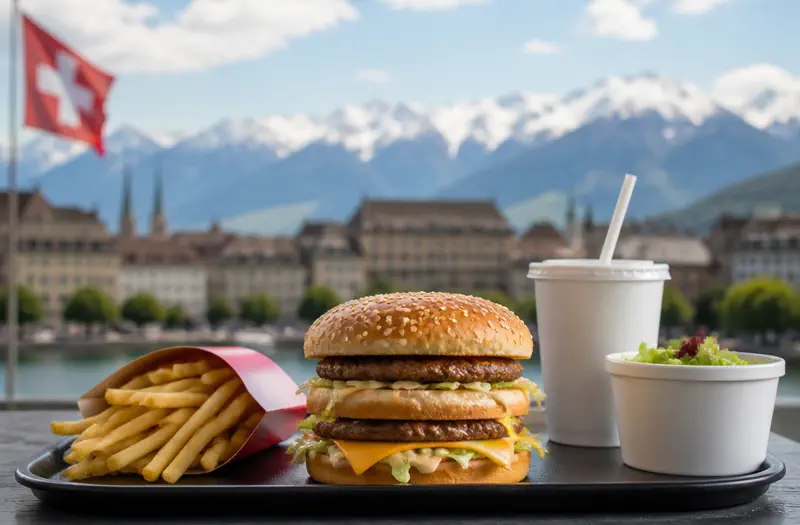
Switzerland
🇨🇭

스위스

🍔

CHF 6.70

$7.73

VS
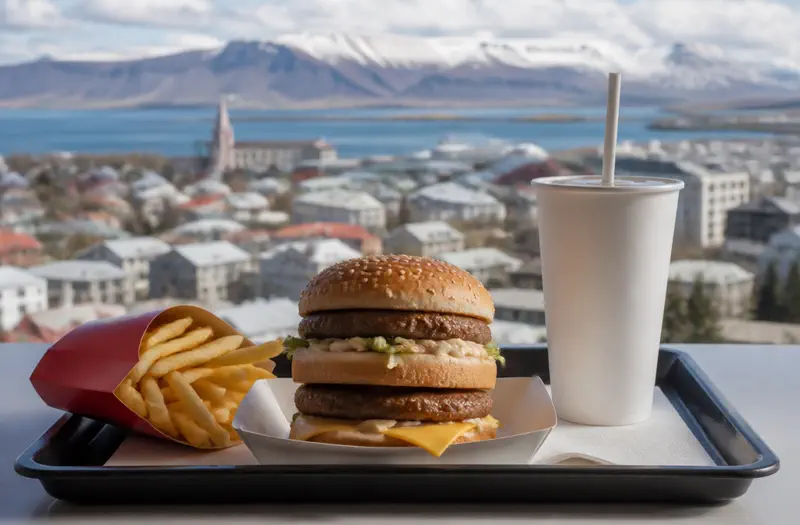
Iceland
🇮🇸

아이슬란드

🍔

빅맥지수 퀴즈 — 나라별 빅맥 가격 맞히기

The Economist의 빅맥지수(Big Mac Index)를 기반으로, 각국 빅맥 가격을 맞히는 게임입니다. 빅맥지수는 구매력평가(PPP)를 직관적으로 설명하는 도구로 1986년부터 사용돼 왔으며, 환율 왜곡을 일상 단위로 환산하는 좋은 입문 자료입니다.

버거 하나로 환율을 잰다는 발상

1986년 The Economist가 반쯤 장난처럼 만든 게 빅맥지수다. 발상은 단순하다. 빅맥은 전 세계 어디서나 거의 같은 재료, 같은 조리법, 같은 크기로 나온다. 그렇다면 '같은 물건은 어디서나 같은 값이어야 한다'는 일물일가 법칙을 빌려, 빅맥 가격만으로 두 통화가 적정 환율에서 얼마나 벗어났는지 거칠게 잴 수 있지 않겠나. 이게 구매력평가(PPP)를 햄버거로 번역한 직관 버전이다.

계산은 초등학교 산수다. 미국 빅맥이 $5.69, 일본 빅맥이 ¥480이라고 하자. 이 둘이 같은 값이라면 환율은 480 ÷ 5.69 ≈ 달러당 84엔이어야 한다. 이게 빅맥이 말하는 '적정 환율(implied PPP)'이다. 그런데 실제 시장 환율은 달러당 약 150엔 근처다. 적정값이 84엔인데 시장은 150엔이라는 건, 엔이 빅맥 기준으로 약 44% 저평가됐다는 뜻이다. 데이터에 적힌 일본 빅맥의 달러 환산값이 $3.21로 미국($5.69)보다 한참 싼 것도 같은 이야기다. 데이터의 funFact가 콕 집어 '엔저의 영향'이라 적어둔 게 우연이 아니다.

비싼 나라, 싼 나라 — 데이터가 보여주는 분포

이 게임의 항목들을 달러 환산값으로 줄 세우면 분포가 한눈에 들어온다.

  • 스위스 $7.73 — 세계 최고가. 프랑이 달러 대비 약 36% 고평가됐다는 신호로 읽힌다. 아이슬란드($7.89)·노르웨이($7.08)도 같은 고물가 클럽이다.
  • 미국 $5.69 — 지수의 기준점. 모든 비교는 여기서 출발한다.
  • 한국 ₩6,520 = $4.78 — 미국보다 싸다. 원이 빅맥 기준 약 16% 저평가됐다는 계산이 나온다.
  • 일본 ¥480 = $3.21 / 대만 $2.52 / 인도 199루피 = $2.39 — 저평가 통화들. 인도는 소고기 대신 '마하라자 맥'이라 엄밀히는 빅맥이 아니지만, 그래도 약 58%라는 큰 저평가 폭을 보여준다.
  • 레바논·나이지리아 $1.89 — 데이터 최저가. 레바논 funFact가 적어둔 대로 통화가 90% 넘게 가치를 잃은 결과다.

✍️ 운영자 한마디 — 빅맥 데이터에서 제일 충격이었던 줄은 스위스($7.73)와 일본($3.21)이다. 같은 버거인데 2.4배 차이. 나는 이걸 '일본이 물가가 싸다'보다 '엔이 지금 싸게 매겨져 있다'로 읽었다. funFact 곳곳에도 환율 사연이 박혀 있다. 터키는 초인플레이션으로 매년 가격이 출렁이고, 아르헨티나는 아예 매달 오른다고 적혀 있다. 버거값이 통화의 체온계처럼 작동하는 셈이다.

이 숫자가 왜 중요한가

환율 뉴스는 보통 추상적이다. '달러 강세', '엔 약세' 같은 말은 들어도 그게 내 삶의 어디에 닿는지 흐릿하다. 빅맥지수는 그 추상을 햄버거 한 개로 끌어내린다. 엔이 44% 저평가라는 말은, 같은 5달러로 일본에서 빅맥을 사면 미국보다 훨씬 푸짐하게 누린다는 얘기다. 해외여행 경비를 가늠하거나, '지금 환전이 유리한가'를 거칠게 따질 때 이 감각이 쓸모가 있다. OECD가 발표하는 정식 PPP 환산표는 빅맥 하나가 아니라 수천 개 품목 바구니로 같은 일을 한다 — 빅맥은 그 무거운 통계의 가벼운 미리보기다.

✍️ 운영자 한마디 — 나는 이 게임을 점수 올리는 용도보다, 추측 전에 '이 나라 통화가 강할까 약할까'를 먼저 속으로 찍어보는 용도로 쓴다. 스위스·노르웨이는 비싸게, 인도·이집트는 싸게. 몇 라운드만 돌려도 이 분류가 손에 붙는다.

이건 투자 조언이 아니며, 게임 점수도 사용자 통계가 아니다. 빅맥지수는 환율의 방향을 거칠게 해석하는 교육용 도구일 뿐, 매수·매도 시점을 알려주지 않는다. 가격은 출제 시점 스냅샷이고, 실제 환전이나 투자 판단은 전문 자료와 본인 책임 하에 해야 한다.

이 게임으로 무엇을 배우나요?

  • 환율과 실제 구매력의 차이를 햄버거 한 개로 직관적으로 이해
  • 동일 제품의 가격이 인건비·임대료·세금에 따라 어떻게 달라지는지
  • '저평가 통화' vs '고평가 통화'를 빅맥지수로 분류하는 방법
  • PPP가 GDP·생활비 비교에 사용되는 이유와 한계

데이터 출처

The Economist Big Mac Index 공개 데이터(반기 갱신)와 각국 맥도날드 공식 메뉴 가격을 사용합니다. 환율은 같은 출제 시점의 IMF·한국은행 공식 고시환율로 환산합니다.

데이터 출처 페이지 · 방법론 자세히

한계와 주의사항

빅맥지수는 한 제품 가격으로 통화 가치를 가늠하는 단순화 도구입니다. 실제 PPP는 수백 개 제품 바스켓을 사용하며, 빅맥은 인건비·임대료·식자재가 비교적 비표준적인 국가에서 정확도가 떨어집니다.

자주 묻는 질문

왜 하필 빅맥인가요?

전 세계 대부분 국가에서 동일한 제조 방식·재료·크기로 판매되는 거의 유일한 표준화 제품이라서입니다. 1986년 The Economist가 'PPP를 햄버거로 설명하자'며 시작했어요.

교육·엔터테인먼트용 게임입니다. 어떤 자산에 대한 매수·매도·보유 권유가 아니며 수익을 보장하지 않습니다. 실제 투자 결정은 규제 받는 중개사·공식 공시·자격 있는 전문가 자문을 직접 참고하세요.

Big Mac Index Quiz — Guess Prices by Country

Built on The Economist's Big Mac Index (1986–today), you guess the local price of a Big Mac across countries. The index is a famously intuitive way to explain purchasing power parity (PPP) — currency distortions translated into everyday units.

The idea of measuring exchange rates with a burger

In 1986 The Economist created the Big Mac Index half as a joke. The idea is simple. A Big Mac is made nearly everywhere from the same ingredients, the same recipe, the same size. So, borrowing the law of one price — that the same good should cost the same everywhere — couldn't the price of a Big Mac alone roughly gauge how far two currencies stray from a fair exchange rate? This is purchasing power parity (PPP) translated into a hamburger.

The math is grade-school arithmetic. Say a US Big Mac is $5.69 and a Japanese one is ¥480. If those two were equal in value, the exchange rate should be 480 ÷ 5.69 ≈ 84 yen per dollar. That's the 'implied PPP' rate the burger suggests. But the actual market rate sits near 150 yen per dollar. A fair value of 84 against a market of 150 means the yen is roughly 44% undervalued on a Big Mac basis. The same story shows up in the data: Japan's Big Mac converts to just $3.21, far cheaper than the US $5.69. It's no accident the dataset's funFact points straight at 'the weak yen.'

Expensive countries, cheap countries — the distribution in the data

Line up this game's items by dollar-converted price and the spread jumps out.

  • Switzerland $7.73 — the world's priciest. Read as a signal the franc is about 36% overvalued against the dollar. Iceland ($7.89) and Norway ($7.08) belong to the same high-cost club.
  • United States $5.69 — the index benchmark. Every comparison starts here.
  • South Korea ₩6,520 = $4.78 — cheaper than the US, implying the won is roughly 16% undervalued on a Big Mac basis.
  • Japan ¥480 = $3.21 / Taiwan $2.52 / India ₹199 = $2.39 — undervalued currencies. India serves the 'Maharaja Mac' instead of a beef Big Mac, so it isn't strictly comparable, yet it still shows a large ~58% undervaluation.
  • Lebanon and Nigeria $1.89 — the dataset's floor. As Lebanon's funFact notes, the result of a currency that lost over 90% of its value.

✍️ Operator's note — The row that floored me in the Big Mac data: Switzerland ($7.73) next to Japan ($3.21). Same burger, a 2.4x gap. I read that less as 'Japan is cheap' and more as 'the yen is priced cheaply right now.' Currency stories really are baked all through the funFacts: Turkey's price swings yearly from hyperinflation, and Argentina's, the data says, rises every single month. The burger ends up working like a thermometer for the currency.

Why these numbers matter

Exchange-rate news is usually abstract. You hear 'dollar strength' or 'yen weakness,' but where it touches your life stays fuzzy. The Big Mac Index drags that abstraction down to a single hamburger. Saying the yen is 44% undervalued means that with the same $5, you enjoy a far more generous Big Mac in Japan than in the US. That feel is useful when you ballpark travel costs, or roughly weigh whether now is a good time to exchange money. OECD's formal PPP conversion tables do the same job not with one burger but with a basket of thousands of items — the Big Mac is the light preview of that heavy statistic.

✍️ Operator's note — I use this game less to chase score and more to guess, before each round, whether a country's currency is strong or weak. Switzerland and Norway, expensive; India and Egypt, cheap. A few rounds and that sorting sticks to your hand.

This is not investment advice, and game scores are not user statistics. The Big Mac Index is an educational tool for roughly interpreting the direction of exchange rates, not a signal for when to buy or sell. Prices are snapshots from publish time, and any real currency exchange or investment decision should rest on professional sources and your own responsibility.

What you'll actually learn

  • Use a single hamburger to feel the gap between FX rates and real purchasing power
  • See how labor, rent, and taxes pull the same product to different prices
  • Sort currencies into 'undervalued' vs 'overvalued' using the index logic
  • Understand why PPP shows up in GDP and cost-of-living comparisons, and where it falls short

Where the data comes from

Data from The Economist's publicly released Big Mac Index (updated twice a year) and McDonald's official menu pages by country. FX uses the publish-time IMF/BOK reference rates.

Data Sources page · Methodology details

Limits and caveats

The Big Mac Index is a deliberately simple proxy. Proper PPP uses baskets of hundreds of items; the Big Mac is less reliable in countries where labor, rent, or ingredient costs are non-standard.

Frequently asked questions

Why a Big Mac of all things?

It's one of the few products sold in almost every country with the same recipe, ingredients, and size. The Economist started the index in 1986 specifically to make PPP intuitive.

Educational and entertainment-only game. Nothing here is a buy/sell/hold recommendation, and no returns are guaranteed. For real money decisions, consult licensed brokers, official filings, and qualified advisors directly.