🔍

대학 등록금 퀴즈 — 세계 대학별 연간 학비 맞히기

Tuition Quiz — Annual Cost at Universities Worldwide

이 게임으로 배우는 것What you learn here

이 게임은 '대학에 다니는 데 드는 돈'이라는, 누구나 한 번쯤 마주하지만 막연하게만 알고 있는 숫자를 또렷하게 만들어 줍니다. 같은 '명문대'라는 단어로 묶이는 학교들도 나라의 교육 재정 구조에 따라 표시 학비가 열 배 가까이 벌어질 수 있는데요. 여러 대학의 학비를 추정해 보면, 사립과 국공립의 차이, 무상교육 국가와 그렇지 않은 국가의 정책 차이가 자연스럽게 머릿속 지도로 정리됩니다. 또 화면에 보이는 '정가'가 장학금과 재정 보조를 거치면 실제 부담액과 크게 달라진다는 점, 환율과 물가 수준을 함께 봐야 나라 간 비교가 공정해진다는 점도 체감하게 됩니다. 단순히 숫자를 맞히는 재미를 넘어, 교육비 같은 큰 지출을 마주했을 때 표면 가격에 휘둘리지 않고 구조를 따져 보는 금융 문해력을 키울 수 있습니다.This game brings sharp focus to a number almost everyone faces yet only vaguely knows: the cost of going to university. Schools grouped under the same label of 'prestigious' can post tuition figures that differ nearly tenfold, depending on how a country funds higher education. As you estimate tuition across institutions, the contrasts — private versus public, tuition-free systems versus pay-as-you-go ones — settle into a clear mental map. You also come to feel how the 'sticker price' on screen can diverge sharply from the real burden once scholarships and aid are applied, and why fair cross-country comparison requires looking at exchange rates and price levels together. Beyond the fun of guessing, it builds the financial literacy to scrutinize the structure behind a large expense instead of being swayed by the headline figure.

1/5

가격 감각을 키우는 추측 게임 · 정답도 매매 신호가 아닙니다

🧪 이 모드는 공개 자료를 참고한 샘플/대표 데이터를 포함할 수 있으며, 실시간 시장 데이터가 아닙니다.

대학 등록금은 같은 '교육'이라는 상품에 나라마다 전혀 다른 가격표가 붙는 대표적인 예입니다. 어떤 곳은 세금으로 떠받쳐 거의 무상에 가깝고, 어떤 곳은 학생과 가족에게 상당한 부담을 지웁니다.

이 모드는 그 격차가 어디서 오는지 — 공교육 보조, 사립·국립 구조, 유학생 차등 — 를 가격 감각으로 더듬어 보게 합니다.

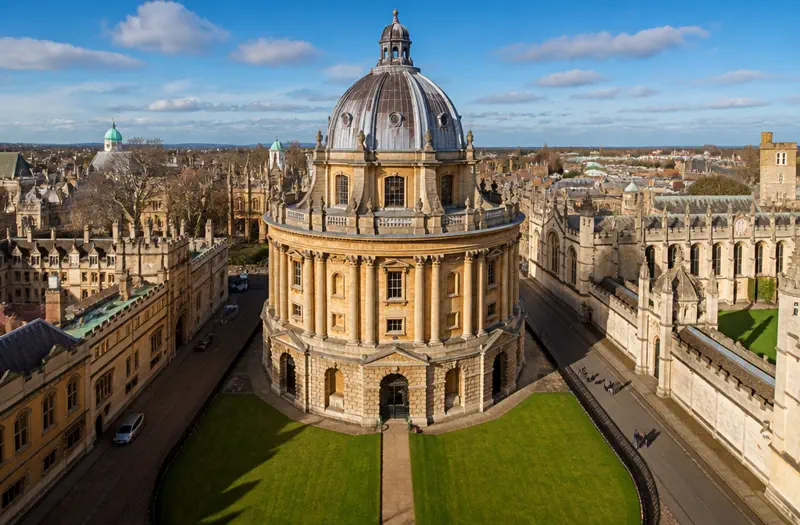
옥스퍼드 대학교 (유학생)
🏛️🇬🇧

옥스퍼드 대학교 (유학생)

연간 등록금은 얼마일까?

대학 등록금 퀴즈 — 세계 대학별 연간 학비 맞히기

하버드·MIT·도쿄대·서울대 — 세계 주요 대학의 연간 학비를 추정하는 게임입니다. 등록금은 국가의 고등교육 정책이 가장 직접적으로 드러나는 숫자라, 단순 비교만으로도 교육 시스템의 구조 차이가 보입니다.

같은 '명문대'인데 학비가 170배 차이 나는 이유

데이터를 넣으며 가장 먼저 눈에 박힌 건 소르본의 €340과 컬럼비아의 $66,139였다. 둘 다 세계가 인정하는 명문이다. 그런데 환율을 대충 맞춰 보면 학비가 170배쯤 벌어진다. 같은 단어('명문대')로 묶이는데 숫자는 자릿수가 통째로 다른 세계에 있다. 처음엔 "미국이 그냥 바가지인가" 싶었는데, 항목을 하나씩 줄 세워 보니 그게 아니었다. 등록금은 가격이 아니라 제도다. 시장이 수요·공급으로 매긴 값이 아니라, 각 나라가 '고등교육 비용을 누가 얼마나 부담할 것인가'를 정해 둔 정책의 출력값이라는 뜻이다.

그래서 환율만으로 나라를 비교하면 반드시 틀린다. 독일 뮌헨 공대(TUM)는 유학생 포함 €760, 그것도 사실상 학기당 €380 행정비뿐이다. 프랑스 소르본은 €340. 둘 다 '거의 무상'인데 이유는 각국 세금이 대학 운영비를 떠안기 때문이다. 반면 미국은 사립대 중심에 기부금 의존도가 높아 정가가 위로 치솟는다. 환산표는 이 구조 차이를 통째로 지운다. €760과 $60,438(NYU)을 같은 자에 올려 '4만 원짜리 vs 8천만 원짜리'로만 읽으면, 정작 중요한 '누가 비용을 내느냐'는 질문이 증발한다.

명목 학비와 실질 부담은 다른 숫자다

게임 화면에 뜨는 건 전부 명목 학비(정가, sticker price)다. 그런데 학생이 실제로 내는 실질 부담은 장학금과 재정보조를 거치면서 완전히 다른 숫자가 된다. 하버드 정가는 $59,076이지만 학생의 약 55%가 보조를 받고, 가구 소득 $85,000 이하면 등록금이 0원이다. KAIST는 명목 330만원인데 성적 우수자에게 전액 장학금을 줘서 대부분 학생이 사실상 0원을 낸다. 정가로 줄 세운 순위와 실 부담으로 줄 세운 순위가 전혀 다른 그림이 되는 것이다.

나는 데이터를 넣으며 이 지점을 가장 조심했다. "하버드가 6천만 원"이라는 문장은 절반만 맞다. 정가는 맞지만, 그 정가를 다 내는 학생은 생각보다 적다. 미국 사립대의 정가는 평균 재정보조를 적용하면 실 부담의 30~70% 수준으로 떨어지는 경우가 흔하다. 그러니 이 게임에서 높은 숫자를 봤다고 "저긴 무조건 비싸"로 끝내면 핵심을 놓친 거다. 명목은 라벨이고, 실질은 영수증이다.

자국생/유학생 이중 가격 — 같은 강의실, 4배 가격표

제도라는 걸 가장 적나라하게 보여주는 게 이중 가격이다. 옥스퍼드는 영국 자국 학생이 연 최대 £9,250를 내는데, 유학생은 £39,010이다. 같은 교수, 같은 강의실, 같은 도서관인데 가격표가 4배 이상 다르다. 호주 멜버른대 유학생 학비($45,000)는 호주 정부의 주요 수입원이라 유학생 등록금이 GDP의 약 2%를 차지할 정도다. 싱가포르 국립대(NUS)는 유학생 정가가 $18,500이지만 졸업 후 3년간 싱가포르에서 일하면 보조금을 돌려주는 조건을 건다.

이게 왜 중요하냐면, 같은 학교 숫자 하나로 '이 나라 학비'를 단정할 수 없다는 뜻이기 때문이다. 옥스퍼드 학비를 £9,250로 기억하느냐 £39,010로 기억하느냐는 '누구 입장이냐'에 따라 갈린다. 환율 환산은 이 입장 차이를 못 담는다.

학비가 싸 보여도 진짜 비용은 다른 데 숨는다

ETH 취리히는 세계 Top 10 공대인데 학비가 CHF 1,460, 미국 대학의 약 1/40이다. 그런데 funFact를 보다가 멈칫했다. 진짜 부담은 학비가 아니라 스위스의 살인적인 생활비라는 거다. 중국 베이징대(~$3,600)나 IIT 봄베이(~$2,000)도 명목 학비는 헐값이지만, 비용이 사라진 게 아니라 '입시 난도'로 옮겨갔다. IIT 입학 경쟁률은 약 100:1이다. 돈의 장벽이 낮은 대신 시험의 장벽이 높은 제도인 셈이다. 같은 학교 안에서도 변동이 있다. 연세대 공과대학은 인문계보다 약 200만원 비싸고, 의대는 1,000만원을 넘는다.

대학명목 학비(정가)실질 부담을 좌우하는 것
하버드 (미국 사립)$59,076약 55% 보조 · $85k 이하 가구 0원
옥스퍼드 (영국)자국생 £9,250 / 유학생 £39,010국적(이중 가격), 4배 차이
TU 뮌헨 (독일 공립)€760세금이 운영비 부담 → 사실상 무상
ETH 취리히 (스위스)CHF 1,460학비는 싸나 스위스 생활비가 진짜 비용
KAIST (한국)330만원전액 장학금 → 대부분 사실상 0원

표로 늘어놓으면 한눈에 들어온다. '명목 학비' 칸만 보면 1/40~170배 차이가 나지만, '실질 부담' 칸으로 가면 차이를 만드는 변수가 학교마다 다르다. 보조금이거나, 국적이거나, 세금이거나, 생활비거나, 입시거나. 환율 하나로 이걸 다 뭉개면 비교는 그럴듯해 보여도 알맹이가 없다.

제도는 한 나라 안에서 통일되기도 한다

일본은 정반대 방향으로 제도의 힘을 보여준다. 일본 국립대학 등록금은 전국이 ¥535,800으로 똑같다. 도쿄대도, 교토대도, 지방 국립대도 동일하다. 시장이라면 도쿄대 학위에 프리미엄이 붙어야 정상인데, 일본은 국가가 단일가로 못 박았다. 한국 서울대도 2009년 이후 등록금이 동결돼 있다. 이런 사례를 보면 '명문일수록 비싸다'는 시장 직관이 제도 앞에서 얼마나 쉽게 무너지는지 알 수 있다.

이 구조 차이를 한 단계 위에서 정리한 게 OECD의 연례 보고서 Education at a Glance다. 나라별로 고등교육 비용을 공공(세금)과 가계(등록금)가 어떤 비율로 나눠 지는지를 비교하는데, 북유럽·독일처럼 공공 비중이 압도적인 나라와 미국처럼 가계 비중이 큰 나라가 또렷이 갈린다. 우리 게임의 숫자들은 결국 이 '부담 주체 지도' 위의 점들인 셈이다.

✍️ 운영자 한마디 — "미국 학비 미쳤다, 한국·유럽이 양심적" — 항목을 다 채우기 전까지는 내 요약도 딱 이 수준이었다. 채우고 나니 그게 아니었다. 미국은 가계가 많이 내는 제도, 독일은 세금이 내는 제도, 영국은 자국생/유학생을 갈라 내는 제도일 뿐이었다. 비용이 사라진 나라는 한 곳도 없었다. 누가 내느냐만 달랐다. 이제 학비 숫자를 보면 "이거 정가야 실 부담이야? 그리고 누가 내는 구조야?"부터 묻는다.

마지막으로 정직하게 짚자면, 이 게임의 숫자는 출제 시점 스냅샷이고 대학별로 대표값 1개만 싣는다. 전공·연차·캠퍼스별 분포는 담지 못한다. 그러니 여기 점수는 '내 가격 감각이 얼마나 보정됐나'를 보는 학습 지표일 뿐, 진학 결정의 근거나 투자 조언이 아니다. 사용자 통계도 아니다. 이 모드를 제대로 쓰는 법은, 큰 숫자를 봤을 때 환율로 곧장 환산하지 말고 "정가인가 실 부담인가, 누가 비용을 떠안는 제도인가"를 먼저 떠올려 보는 것이다.

이 게임으로 무엇을 배우나요?

  • 사립 vs 국공립 학비 격차(미국 $50,000+ vs 한국 ₩300~500만)
  • 재정 보조(financial aid)·장학금이 '실 부담 학비'를 어떻게 바꾸는지
  • 독일·노르웨이 등 무상 교육 국가와 영어권 국가의 정책 차이
  • MBA·로스쿨 같은 전문대학원의 등록금이 학부보다 훨씬 비싼 이유

데이터 출처

미국은 IPEDS(College Scorecard), 한국은 대학알리미·교육부 공시, 유럽은 각국 교육부·UCAS, 일본은 문부과학성 공개 자료를 사용합니다. 표시 가격은 '국제학생 기준 명목 학비'이며 재정 보조 후 순 부담과 다를 수 있습니다.

데이터 출처 페이지 · 방법론 자세히

한계와 주의사항

등록금은 매년 인상되며, 학과(공학·의학)에 따라 같은 학교 안에서도 ±20% 변동합니다. 미국 사립대의 'sticker price'는 재정보조 평균 적용 시 실 부담의 30~70%까지 떨어지는 경우가 많습니다.

자주 묻는 질문

한국 대학 학비가 미국보다 훨씬 싸 보입니다.

한국은 대학 운영비의 상당 부분을 정부 재정과 등록금 동결 정책으로 보조합니다. 미국은 사립대 위주 + 기부금 의존도가 높아, 정가가 크게 다릅니다.

교육·엔터테인먼트용 게임입니다. 어떤 자산에 대한 매수·매도·보유 권유가 아니며 수익을 보장하지 않습니다. 실제 투자 결정은 규제 받는 중개사·공식 공시·자격 있는 전문가 자문을 직접 참고하세요.

Tuition Quiz — Annual Cost at Universities Worldwide

Harvard, MIT, the University of Tokyo, Seoul National — guess annual tuition at the world's major universities. Tuition is one of the most direct readouts of national higher-ed policy, so the bare comparison already exposes structural differences.

Why two 'elite' schools can sit 170x apart on tuition

The first thing that hit me while loading the data was the Sorbonne's €340 next to Columbia's $66,139. Both are world-recognized elites. Yet convert them roughly and the tuition gap stretches to around 170x. Same word ('top university'), but the numbers live in entirely different orders of magnitude. At first I thought "is the U.S. just gouging?" — but lining the items up one by one, that wasn't it. Tuition isn't a price; it's an institution. It's not a value a market set through supply and demand, but the output of each country's policy on who bears how much of the cost of higher education.

So comparing countries by FX alone is guaranteed to mislead. Germany's TU Munich charges €760 including international students — and even that is essentially just a ~€380-per-semester admin fee. France's Sorbonne is €340. Both are 'nearly free' because national taxes absorb the universities' operating costs. The U.S., by contrast, leans on private schools and endowments, which pushes the sticker upward. A conversion table erases this structural difference wholesale. Put €760 and NYU's $60,438 on the same ruler and read it only as 'a cheap one vs an expensive one,' and the question that actually matters — who pays the cost — evaporates.

Nominal tuition and real burden are different numbers

Everything on the game screen is nominal tuition (the sticker price). But the real burden a student actually pays becomes a completely different number once scholarships and aid run their course. Harvard's sticker is $59,076, yet about 55% of students receive aid, and tuition is zero for families earning under $85,000. KAIST's nominal figure is 3.3M KRW, but it grants full scholarships to high performers, so most students pay effectively nothing. A ranking by sticker and a ranking by real burden become entirely different pictures.

This is the point I was most careful about while building the data. The sentence "Harvard is 60 million won" is only half true. The sticker is right, but fewer students than you'd think pay the full sticker. U.S. private sticker prices commonly fall to 30–70% of the real burden once average aid packages apply. So if you see a big number in this game and stop at "that place is just expensive," you've missed the core. Nominal is the label; real burden is the receipt.

Domestic/international dual pricing — same lecture hall, a 4x tag

Nothing exposes the 'it's an institution' point more nakedly than dual pricing. Oxford charges UK home students up to £9,250 a year, while internationals pay £39,010. Same professors, same lecture hall, same library, but a price tag over 4x apart. International tuition at Australia's University of Melbourne ($45,000) is such a major revenue source for the government that international fees amount to roughly 2% of GDP. Singapore's NUS posts an international sticker of $18,500 but ties it to a grant you repay by working three years in Singapore after graduating.

Why this matters: you can't pin down 'this country's tuition' from a single school's number. Whether you remember Oxford as £9,250 or £39,010 depends entirely on 'whose seat you're in.' FX conversion can't carry that difference of standpoint.

Cheap-looking tuition often hides the real cost elsewhere

ETH Zurich is a global top-10 engineering school, yet tuition is CHF 1,460 — about 1/40 of a U.S. school's. But a fun fact made me pause: the real burden isn't tuition, it's Switzerland's brutal cost of living. China's Peking University (~$3,600) and IIT Bombay (~$2,000) also post dirt-cheap nominal tuition, but the cost didn't vanish — it migrated to admission difficulty. IIT admission runs about 100:1. A low money barrier in exchange for a high exam barrier. There's variation within a single school too: Yonsei's engineering college runs about 2M KRW more than humanities, and its medical school exceeds 10M KRW.

UniversityNominal tuition (sticker)What drives the real burden
Harvard (US private)$59,076~55% on aid · zero for households under $85k
Oxford (UK)Home £9,250 / Intl £39,010Nationality (dual pricing), 4x apart
TU Munich (DE public)€760Taxes carry operating cost → effectively free
ETH Zurich (CH)CHF 1,460Cheap tuition, but Swiss living costs are the real expense
KAIST (KR)3.3M KRWFull scholarships → effectively zero for most

Laid out as a table, it clicks. Look only at the 'nominal tuition' column and you see a 1/40-to-170x spread, but move to 'real burden' and the variable creating the gap differs by school — aid, or nationality, or taxes, or living costs, or the entrance exam. Mash all of that into a single exchange rate and the comparison looks plausible but is hollow.

An institution can also be uniform within one country

Japan shows the power of institutions in the opposite direction. Japanese national university tuition is identical nationwide at ¥535,800. Tokyo, Kyoto, a rural national university — all the same. In a market, a Tokyo University degree should carry a premium, yet Japan fixed a single price. Korea's Seoul National has likewise frozen tuition since 2009. Cases like these show how easily the market intuition that 'more prestigious means pricier' collapses in front of an institution.

What organizes this structural difference one level up is the OECD's annual report, Education at a Glance. It compares, country by country, the ratio in which the public purse (taxes) and households (tuition) split the cost of higher education, and the split cleanly separates countries where the public share dominates (the Nordics, Germany) from those where the household share is large (the U.S.). Our game's numbers are, in the end, points on this 'who-bears-the-cost map.'

✍️ Operator's note — "U.S. tuition is insane, Korea and Europe are the decent ones" — that was the full depth of my own summary before I filled in the items. Afterward, it didn't hold. The U.S. is a system where households pay a lot, Germany a system where taxes pay, the U.K. a system that splits home from international. Not one country had made the cost disappear. Only who pays differed. Now every tuition number gets the same opening questions from me: "Is this sticker or real burden? And who's structured to pay it?"

One honest caveat to close: the numbers here are publish-time snapshots, and each university carries only a single representative value. The spread across majors, class years, and campuses isn't captured. So a score here is just a learning gauge of how calibrated your price sense is — not a basis for an enrollment decision and not investment advice, nor is it user statistics. The right way to use this mode is, when you see a big number, to resist converting it straight by FX and instead ask first: "Is this nominal or real burden, and which system is built to pay for it?"

What you'll actually learn

  • The gap between private and public tuition (U.S. private $50k+ vs Korean public ~$3–5k)
  • How financial aid and scholarships change actual net cost
  • Why Germany and Norway run essentially free public university while English-speaking countries don't
  • Why graduate schools like MBAs and law school cost a multiple of undergrad

Where the data comes from

U.S. via IPEDS (College Scorecard); Korea via University Notice/Ministry of Education; Europe via national ministries and UCAS; Japan via the MEXT public dataset. Shown values are international-student sticker tuition — net cost after aid can be very different.

Data Sources page · Methodology details

Limits and caveats

Tuition rises annually and can vary by ±20% across majors (engineering and medicine often higher). U.S. private 'sticker price' often falls to 30–70% of headline after typical aid packages.

Frequently asked questions

Why does Korean tuition look so much cheaper?

Korea heavily subsidizes its universities and has frozen tuition for years. The U.S. leans on private schools and endowments, which pushes sticker price up.

Educational and entertainment-only game. Nothing here is a buy/sell/hold recommendation, and no returns are guaranteed. For real money decisions, consult licensed brokers, official filings, and qualified advisors directly.