4. Down to the Kitchen — and It's Still Brutal
This is where it gets interesting, because these are things that could actually land on your plate.
Saffron — about $5,000–$10,000/kg. They don't call it "Red Gold" for nothing. To get a single kilogram, someone hand-picks 150,000–200,000 flowers.
White truffle — about $2,000–$6,000/kg. In 2014, one 1.89kg lump went for $61,250 at auction. For a mushroom.
5–7. A Watch, a Perfume, and a Pair of Sneakers
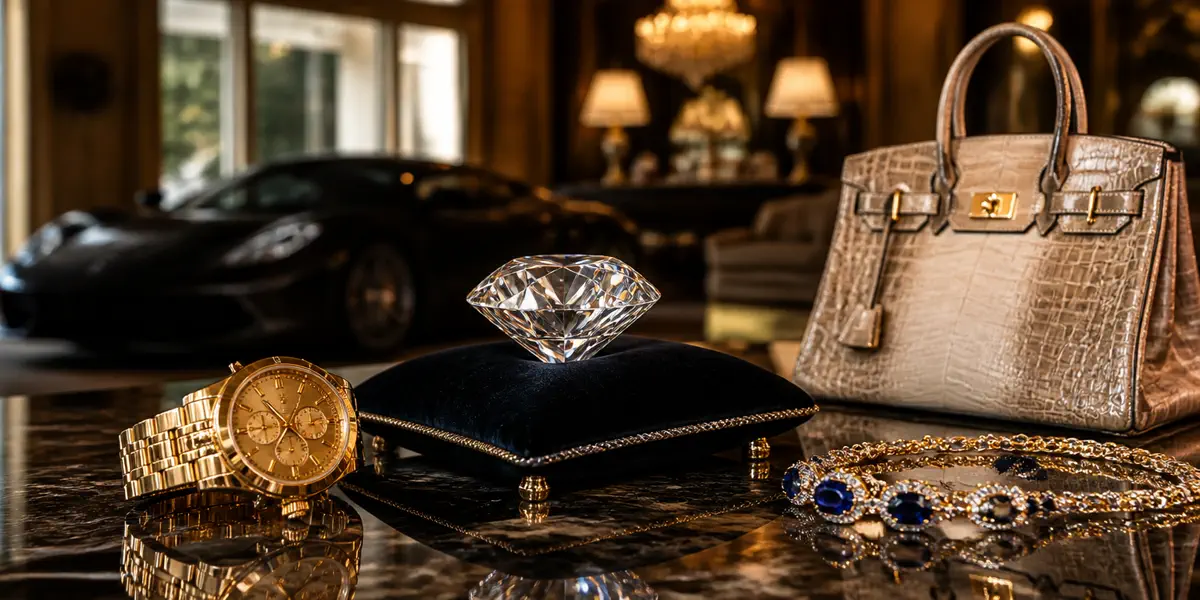
5. The watch — the Graff Diamonds Hallucination, $55 million. The whole thing is buried under 110 carats of diamonds.
6. The perfume — Clive Christian No.1 Imperial Majesty. $215,000 for 500ml, with a 5-carat diamond set into the bottle.
7. The sneakers — Kanye West's Nike Air Yeezy 1 Prototype. Sold at Sotheby's in 2021 for $1.8 million. One pair of shoes, the price of a house.
8–10. Now We Leave This Dimension — Raw Substances
Everything so far was a thing somebody made. From here on, it's just matter.
8. Diamond — gem-quality, about $55 million/kg.
9. Californium-252 — a synthetic radioactive element, about $27 million/gram. Used in cancer treatment and nuclear detection.
10. Antimatter — about $62.5 trillion/gram. You'll give up counting the zeros. It's the most expensive substance humanity has ever produced, and per gram it costs more than the entire world's GDP. That's real.
That kind of money buys about 10 trillion Big Macs — enough for every person on Earth to eat 3 a day for 450 years.
Price sense rattled yet? Come back to Earth and try guessing what everyday stuff costs. That part is harder than it sounds.
Here's Where Everyone Gets Fooled — "Expensive" Means "Valuable"
Stare at that list and you start believing price equals worth. But pull these tags apart and the story changes. Three things tend to shove a price up to the ceiling.
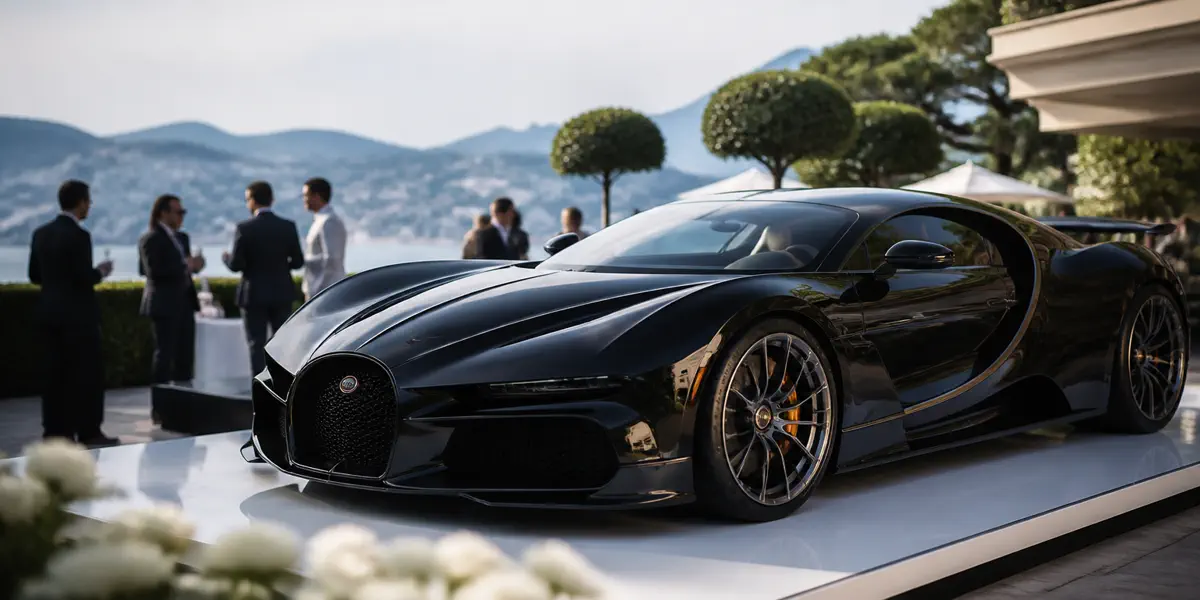
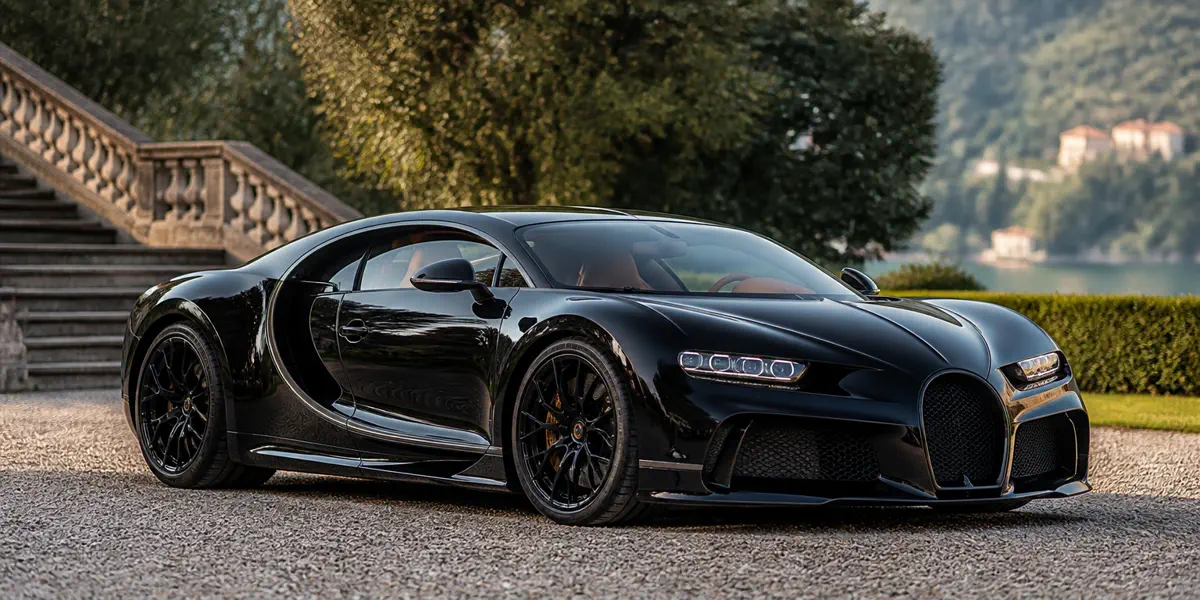
- Scarcity — when exactly one Bugatti La Voiture Noire exists, the people who want it dwarf the people who could ever own it. The moment supply hits near zero, the price is set by competition, not by cost.
- Difficulty of production — antimatter is astronomical per gram not because anyone's gouging, but because making even a trace in a particle accelerator burns through enormous energy and time. Here the price is dictated by physics, not demand.
- Story — honestly, this is the part I find most fascinating. Much of the Salvator Mundi's price comes not from paint and canvas but from one sentence: that da Vinci is believed to have painted it. The same canvas swings by thousands of times depending on whose hand held the brush.
So the "most expensive" thing isn't the "most useful" thing. Saffron is pricey but genuinely goes into your cooking, while a 110-carat diamond watch tells time no better than a cheap one. Price is just a number cooked up from usefulness, scarcity, and story all mixed together. Once you know that, the whole list reads differently.
Same Million Dollars, Different Bucket, Different Meaning
Numbers this big stop meaning anything. So I grabbed $1 million as a ruler and held it up against the items above. Rough conversions, based on public records at writing time.
- White truffle — using that 2014 1.89kg auction price of about $61,000, you could buy the same lot roughly 16 times over.
- Clive Christian perfume ($215,000) — about four bottles. That's it.
- Bugatti La Voiture Noire ($18.7M) — you're short by roughly 19 times. Not even in the conversation for a single car.
- Antimatter — at per-gram pricing, forget it. You couldn't touch even a trace.
Same million dollars, yet "plenty" means something completely different depending on which bucket you drop it into. A giant number alone tells you nothing. Hold it up against a familiar ruler, and suddenly it clicks.