🔍

부동산 가격 퀴즈 — 도시·매물별 시세 맞히기

Real Estate Price Quiz — Guess by City and Listing

이 게임으로 배우는 것What you learn here

부동산 가격 퀴즈는 '집값'이라는 거대하고 막연한 숫자를 손에 잡히는 단위로 분해하는 연습입니다. 우리는 뉴스에서 'OO억'이라는 말을 자주 듣지만, 그게 면적당으로 따지면 얼마인지, 다른 도시·다른 나라와 견주면 어느 정도인지는 의외로 감이 없죠. 이 게임은 도시마다 다른 면적 표기와 통화를 그대로 보여 주기 때문에, 머릿속에서 평을 제곱미터로, 달러를 원으로 빠르게 옮겨 보는 변환 근육을 자연스럽게 키워 줍니다. 같은 건물 안에서도 층과 향, 학군과 교통에 따라 가격이 어떻게 갈라지는지 비교하다 보면 '위치가 곧 가격'이라는 부동산의 기본 원리도 체감하게 됩니다. 거래 구조가 나라마다 다르다는 사실까지 함께 익히면서, 막연한 집값 공포 대신 차분하게 시세를 가늠하는 균형 감각이 자랍니다.The Real Estate Price Quiz is practice in breaking a huge, foggy number — the price of a home — into units you can actually grasp. We hear figures like 'a billion won' in the news, yet rarely have a feel for what that means per unit of area, or how it stacks up against another city or country. Because the game keeps each city's native area units and currency intact, it quietly builds the mental muscle to convert pyeong into square meters or dollars into won on the fly. Comparing how floor, orientation, school zone, and transit pull prices apart within a single building, you come to feel the core rule that location is price. Learning how transaction structures differ from country to country on top of that, you trade vague housing anxiety for a calmer, more balanced sense of where a price sits.

1/2

가격 감각을 키우는 추측 게임 · 정답도 매매 신호가 아닙니다

🧪 이 모드는 공개 자료를 참고한 샘플/대표 데이터를 포함할 수 있으며, 실시간 시장 데이터가 아닙니다.

집값은 위치·면적·연식이라는 몇 가지 단서만으로도 꽤 멀리까지 추정해 볼 수 있는 흥미로운 영역입니다. 같은 평수라도 도시와 동네에 따라 자릿수가 달라지죠.

이 모드는 매물 카드의 기본 정보를 단서 삼아, 부동산 가격을 떠받치는 입지 프리미엄을 직관적으로 가늠해 보게 합니다.

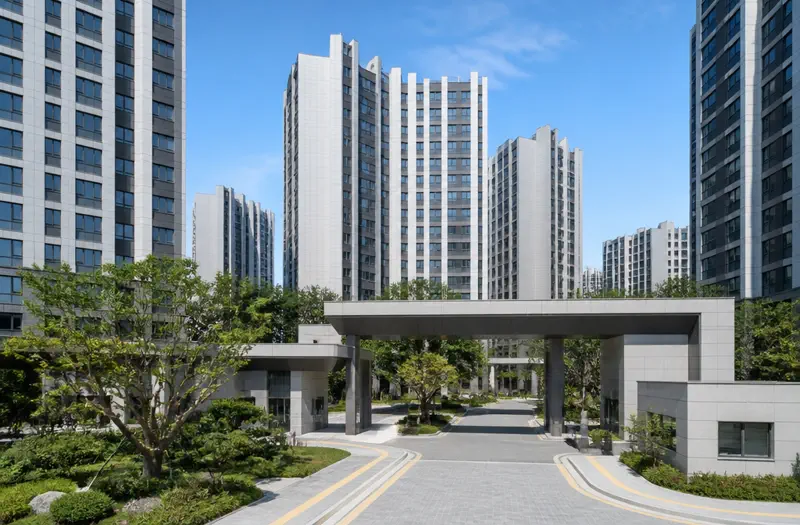
대구 수성구 범어동 삼성래미안
🏢

대구 수성구 범어동 삼성래미안

🇰🇷
아파트84㎡ (34평)2012년 준공15층/22층
범어역 5분수성못 인접남향

이 매물의 가격은? 🤔

6회 남음

부동산 가격 퀴즈 — 도시·매물별 시세 맞히기

서울 강남 아파트, 뉴욕 맨해튼 콘도, 도쿄 신주쿠 맨션처럼 실제 매물 사진과 위치 정보를 보고 가격을 추정합니다. 부동산은 통화·면적·세금 구조가 도시마다 달라, '평당 가격' 단위 변환 자체가 큰 학습 거리입니다.

같은 집인데 가격표가 세 장 붙어 있다

부동산 뉴스를 읽다 보면 같은 단지 이야기인데 숫자가 매번 다르게 나온다. 한쪽 기사는 '강남 대치동 30억 돌파', 다른 쪽은 '공시가 18억대'. 둘 다 거짓말이 아니다. 한 집에 가격이 원래 여러 개 붙어 있을 뿐이다. 크게 셋이다. 공시가격(정부가 세금 매기려고 정하는 값), 시세(시장이 부르는 값, 호가와 KB부동산 시세 같은 것), 그리고 실거래가(실제로 계약서에 찍혀 손이 바뀐 값). 이 게임에 들어 있는 서울 강남구 대치동 래미안 84㎡가 28억원으로 표시돼 있는데, 이건 시세·실거래가 계열의 숫자다. 같은 집의 공시가격은 보통 이보다 한참 아래에서 매겨진다.

세 가격은 왜 따로 노는가

세 숫자가 갈라지는 이유는 각자 목적이 다르기 때문이다.

  • 공시가격은 보유세·건강보험료 같은 행정의 기준값이라, 시세를 100% 따라가지 않고 일정 비율(현실화율)만 반영한다. 그래서 시세보다 낮게, 천천히 움직인다.
  • 시세(호가)는 파는 사람의 희망이 섞인 값이다. KB부동산 시세는 이런 호가와 거래를 종합해 대표값을 내지만, 거래가 뜸한 단지에선 한 건의 신고가가 통째로 끌어올리기도 한다.
  • 실거래가는 실제 계약된 값이라 가장 단단하지만, 거래 자체가 드물면 몇 달 전 한 건이 최신값으로 남는다. 또 신고는 계약 후 30일까지 가능해 시차가 생긴다.

그래서 같은 집을 두고도 '28억 호가, 25억 직전 실거래, 18억 공시가'가 동시에 존재할 수 있다. 뉴스가 어느 숫자를 인용하느냐에 따라 같은 집값이 따로 논다. 나는 이 데이터를 넣으며, 한 채에 붙은 세 가격의 간격이 노원 상계 주공 5.5억원짜리 작은 평형에서도, 한남더힐 80억원짜리에서도 똑같이 '몇 억 단위'로 벌어진다는 게 새삼 눈에 들어왔다.

실제 데이터로 보는 격차

이 게임에 담긴 매물들을 시세 기준으로 줄 세우면 격차가 더 또렷하다. 서울만 봐도 노원 상계 주공 59㎡가 5.5억원, 같은 84㎡ 기준 광진 군자 12억원, 마포 17억원, 대치 래미안 28억원, 그리고 주상복합 한남더힐 80억원까지 한 도시 안에서 14배 넘게 벌어진다. '강남이 비싸다'는 한 문장이 사실은 자릿수가 다른 여러 시장을 뭉뚱그린 표현인 셈이다. 지방으로 가면 세종 5억원, 대구 수성 7억원처럼 또 다른 층이 생긴다. 여기에 공시가격은 이 시세보다 대체로 낮게, 실거래가는 직전 거래 시점에 묶여 — 같은 집을 어느 가격으로 부르느냐가 곧 '얼마나 비싼가'에 대한 인상을 바꾼다.

✍️ 운영자 한마디 — 집값이야말로 내가 제일 크게 착각하던 분야다. 그냥 한 덩어리 숫자인 줄 알았는데, 같은 단지의 공시가·시세·실거래가를 나란히 찾아보니 셋이 수억씩 어긋나 있었다. 그 뒤로는 '집값이 올랐다/내렸다'는 기사를 보면 "그래서 그게 어느 가격이야?"를 먼저 묻게 된다. 이 게임도 가격을 외우는 게임이 아니라, 인용된 가격의 정체를 의심하는 연습이라고 생각한다.

이 게임으로 기르는 것

매물을 보고 가격을 떠올릴 때, 그 숫자가 호가인지 실거래가인지 공시가인지 한 번 더 의식해 보라. 틀린 라운드에서 실제 표시가가 공개되면, 내 직관이 어느 가격 계열에 닿아 있었는지가 드러난다. 면적 단위(평·㎡)와 통화가 도시마다 다른 것까지 겹치면, 가격을 읽는 건 단순 암기가 아니라 '무엇을 기준으로 한 값인가'를 매번 따지는 일이 된다. 이 콘텐츠는 투자 조언이 아니며, 표시 수치는 사용자 거래 통계가 아니라 공개 자료 기반의 교육용 예시다. 목표는 한 집에 붙은 세 가격을 분리해서 읽는 감각, 그 하나다.

이 게임으로 무엇을 배우나요?

  • 평·㎡·sqft 같은 면적 단위 환산을 게임 흐름 속에서 자연스럽게 익히기
  • 교통·학군·층수가 같은 단지 안에서 가격을 얼마나 갈라놓는지 체감
  • 한국 전세·미국 모기지 같은 거래 구조 차이가 시세에 미치는 영향 이해
  • '서울이 가장 비싸다' 같은 고정관념 vs 글로벌 실제 가격 분포 비교

데이터 출처

한국 매물은 KB부동산·국토교통부 실거래가, 미국은 Zillow·Redfin 공개 데이터, 일본은 SUUMO·LIFULL HOME'S 공개 시세를 사용합니다. 매물 사진은 출처 명시 라이선스 또는 게임용 자체 합성 이미지를 사용합니다.

데이터 출처 페이지 · 방법론 자세히

한계와 주의사항

동일 단지·동일 평형이라도 층·향·인테리어 상태에 따라 실제 가격은 ±10~20% 변동합니다. 표시 가격은 출제 시점의 공개 시세 또는 실거래가 평균이며, 실제 거래는 협상·세금에 따라 더 달라질 수 있습니다.

자주 묻는 질문

왜 평·㎡·sqft가 섞여 있나요?

각 도시에서 실제 거래되는 단위를 그대로 사용합니다. 한국은 평·㎡, 미국은 sqft, 일본은 ㎡가 표준이라 인위적으로 통일하면 현지 감각이 사라집니다.

월세·전세는 다루지 않나요?

현재 모드는 매매가 중심입니다. 월세/전세 시세는 별도 데이터 셋이 필요해 향후 라운드에 추가 예정입니다.

교육·엔터테인먼트용 게임입니다. 어떤 자산에 대한 매수·매도·보유 권유가 아니며 수익을 보장하지 않습니다. 실제 투자 결정은 규제 받는 중개사·공식 공시·자격 있는 전문가 자문을 직접 참고하세요.

Real Estate Price Quiz — Guess by City and Listing

Look at real photos and locations — a Gangnam apartment in Seoul, a Manhattan condo in NYC, a Shinjuku mansion in Tokyo — and estimate the price. Currency, area units, and tax structures differ enough between cities that converting per-sqm prices is half the lesson.

The same home wears three price tags

Read enough real estate news and you notice the same complex carries a different number every time. One article says 'Daechi-dong, Gangnam tops 3 billion won,' another says 'official value in the 1.8 billion range.' Neither is lying. A single home simply has several prices attached at once. There are three big ones: the official assessed value (the figure the government sets to levy taxes), the market quote (what the market asks — listing prices and indices like KB Real Estate), and the actual transaction price (the figure printed on the contract when the home actually changed hands). This game lists an 84sqm Raemian in Daechi-dong, Gangnam at 2.8 billion won — a number in the market/transaction family. The same home's official assessed value is usually set well below that.

Why the three drift apart

The three diverge because each exists for a different purpose.

  • The official assessed value is the administrative baseline for property and health-insurance levies, so it doesn't track the market 100% — it reflects only a set ratio (the 'realization rate'). It sits lower and moves slowly.
  • The market quote (asking price) is laced with the seller's hopes. The KB index aggregates such asking prices and deals into a representative figure, but in a complex where trades are scarce, a single record-high sale can drag the whole quote upward.
  • The actual transaction price is the firmest because it's a real contract, yet when trades are rare a deal from months ago lingers as the latest figure. Reporting is also allowed up to 30 days after the contract, which adds lag.

So for one home you can have, all at once, a 2.8 billion asking price, a 2.5 billion most-recent actual deal, and a 1.8 billion official value. Depending on which number the news quotes, the same home's price seems to live in different worlds. Filling in this data, it struck me again that the gap among a home's three prices runs to 'hundreds of millions' just the same on a small 550 million won unit in Sanggye, Nowon as on an 8 billion won Hannam The Hill.

The gap in real data

Line up the listings in this game by market quote and the spread gets even clearer. Within Seoul alone: a 59sqm unit in Sanggye, Nowon at 550 million won; at the 84sqm standard, 1.2 billion in Gunja, Gwangjin, 1.7 billion in Mapo, 2.8 billion for the Daechi Raemian, up to 8 billion for the mixed-use Hannam The Hill — over 14x within a single city. 'Gangnam is expensive' turns out to be one sentence lumping together several markets that are orders of magnitude apart. Go to the provinces and another tier appears: 500 million won in Sejong, 700 million in Suseong, Daegu. On top of this, the official value generally sits below these quotes and the actual transaction price is pinned to the moment of the last deal — so which price you call the same home by reshapes your whole impression of how expensive it is.

✍️ Operator's note — Home prices were where I fooled myself the worst. I assumed they were a single lump number, until I pulled up one complex's official value, market quote, and actual deal side by side and found the three off by hundreds of millions. Since then, every 'prices rose/fell' article gets the same first question from me: 'rose in which price, exactly?' I treat this game the same way — not memorizing prices, but practicing suspicion about which price is being quoted.

What this game builds

When a listing makes you picture a price, pause once more to ask whether that figure is an asking price, an actual deal, or an official value. On a wrong round, when the real listed number is revealed, you see which price family your intuition was tuned to. Add that area units (pyeong, sqm) and currency differ by city, and reading a price stops being rote recall and becomes the act of asking, every time, 'a value based on what?' This content is not investment advice, and the figures shown are educational examples drawn from public sources, not user transaction statistics. The goal is one thing: the sense to read a home's three prices apart from one another.

What you'll actually learn

  • Get comfortable converting between pyeong, sqm, and sqft inside actual price questions
  • See how access, school zoning, and floor level fan prices apart within a single building
  • Understand how jeonse (Korea) vs mortgages (U.S.) shape headline prices
  • Test 'Seoul is the most expensive' against the actual global distribution

Where the data comes from

Korean listings via KB Real Estate and the MOLIT actual-transaction database; U.S. via Zillow and Redfin public data; Japan via SUUMO and LIFULL HOME'S public listings. Photos are either properly licensed or in-house composites built for this quiz.

Data Sources page · Methodology details

Limits and caveats

Even within the same building and floor plan, actual deals vary by ±10–20% due to floor, view, and interior condition. The number we show is either the publish-time public asking price or an actual-transaction average — your eventual purchase price will move further with negotiation and tax.

Frequently asked questions

Why mix pyeong, sqm, and sqft?

We keep the unit the local market actually uses. Korea trades in pyeong/sqm, the U.S. in sqft, Japan in sqm — forcing a single unit erases the local intuition we're trying to teach.

Are rentals and jeonse covered?

This mode focuses on purchase prices. Rentals and jeonse need separate datasets and are planned for a future round.

Educational and entertainment-only game. Nothing here is a buy/sell/hold recommendation, and no returns are guaranteed. For real money decisions, consult licensed brokers, official filings, and qualified advisors directly.