🔍
비트코인 가격 기억은 왜 사람마다 다른가 — 4번의 반감기, 3번의 사이클, 그리고 2024년 ETF 시대까지 — PriceGuess 블로그 타이틀 카드
암호화폐2026-04-16· 13분 읽기

비트코인 가격 기억은 왜 사람마다 다른가 — 4번의 반감기, 3번의 사이클, 그리고 2024년 ETF 시대까지

Why People Remember Bitcoin Differently — Four Halvings, Three Cycles, and the 2024 ETF Era

"비트코인 지금 얼마야?" 한 질문에 머릿속 답이 다 다르다. 누구는 $60,000을 정상이라 여기고, 누구는 $15,000이 제정신 가격이라 하고, 또 누구는 $100,000이 코앞이라 믿는다. 똑같은 코인 하나인데 기억이 이렇게 갈라진다. 왜일까. 답은 의외로 운에 있지 않다. 비트코인의 4번 반감기(2012·2016·2020·2024), 세 번의 완전한 사이클, 그리고 2024년 열린 ETF 시대 — 이 구조가 사람마다 다른 '평균'을 심어 놓은 거다. 아래 숫자는 전부 CoinGecko, Glassnode, Bloomberg, 그리고 비트코인 메인넷에서 직접 가져왔다.

1. 4사이클을 숫자로 — $0.08에서 $73,750까지

시작은 2009년 1월 3일. 사토시 나카모토가 제네시스 블록을 채굴한 날이다. 거래소 가격이 처음 찍힌 건 2010년 7월, Mt.Gox 거래가 열리면서다. 그때 가격이 $0.0050. 반올림하면 0.5센트다. 이후 16년간 비트코인은 정확히 네 번의 사이클을 돌았고, 매번 반감기를 축으로 약 4년 간격을 지켰다.

사이클반감기 일자블록 보상사이클 고점다음 사이클 저점드로다운
1차2012-11-2850→25 BTC$1,151 (2013-11)$152 (2015-01)-87%
2차2016-07-0925→12.5 BTC$19,650 (2017-12)$3,191 (2018-12)-84%
3차2020-05-1112.5→6.25 BTC$68,789 (2021-11)$15,632 (2022-11)-77%
4차2024-04-196.25→3.125 BTC$73,750 (2024-03)*진행 중

* 4차가 좀 이상하다. 고점($73,750)을 반감기 이전에 한 번 찍었다. 반감기보다 ETF 효과가 먼저 도착한 첫 사이클이다. 그리고 드로다운을 세로로 읽어보자. -87% → -84% → -77%. 바닥이 점점 덜 깊어진다. 시장이 두꺼워지고 기관 돈이 들어오면서 생긴 변화로 본다.

2. 반감기가 진짜로 하는 일 — 공급 충격은 작고, 기대치는 크다

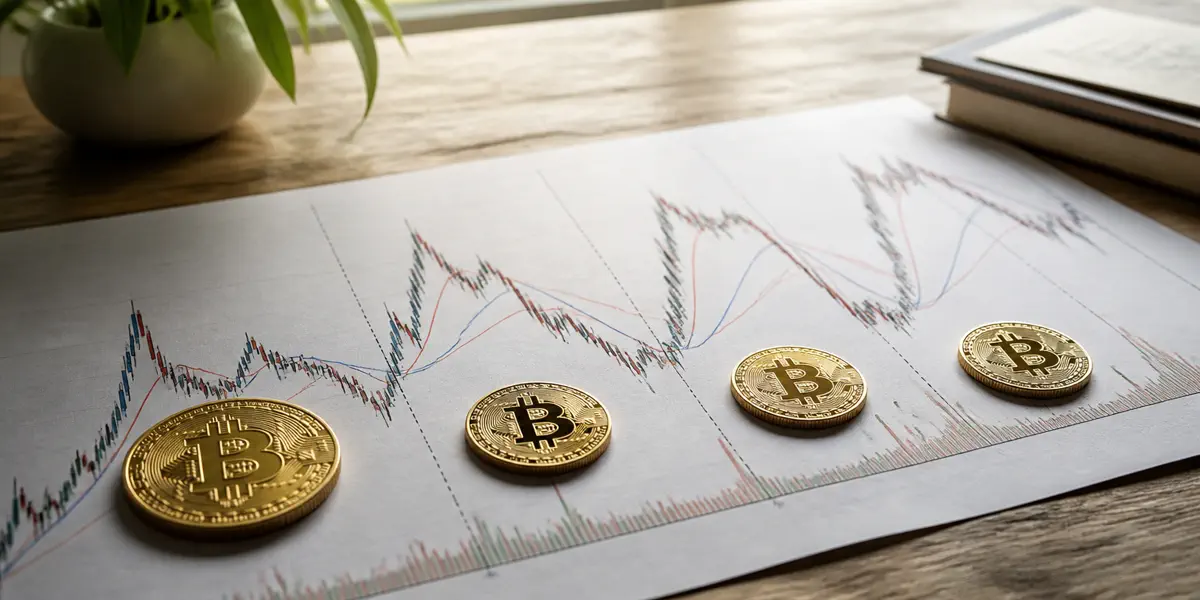
비트코인 가격 주기와 반감기

반감기는 약 21만 블록(약 4년)마다 채굴 보상이 반토막 나는 프로토콜 규칙이다. 2024년 4월 19일 4차 반감기에서 블록 보상이 6.25 BTC에서 3.125 BTC로 떨어졌고, 연간 신규 공급률(사실상의 인플레이션)이 약 1.7%에서 0.85%로 절반이 됐다.

질문을 제일 많이 받는 부분이다. 반감기 직후 며칠? 가격은 거의 움직이지 않는다. 공급이 줄어드는 속도가 너무 느려서 단기 가격엔 티가 안 난다. 그런데 반감기를 기준점으로 삼은 '내러티브 사이클'은 매번 작동했다. 반감기 뒤 6~18개월 사이에 새 고점이 잡히는 패턴이 세 사이클 연속이다.

2019년, 'PlanB'라는 익명 분석가가 'Stock-to-Flow(S2F)' 모델을 들고 나와 판을 흔들었다. 기존 공급량 대비 신규 공급량 비율이 반감기마다 두 배가 되니 가격도 그 비율대로 오른다는 주장이었다. 깔끔해서 인기였다. 문제는 2022년 사이클이 이 모델의 간판 예측($100K)을 정면으로 박살냈다는 거다. 이후 Liu와 Tsyvinski(2021, Review of Financial Studies)는 비트코인 수익률을 가장 잘 설명하는 건 모멘텀과 투자자 관심도이고, S2F 같은 단순 공급 모델은 통계적으로 힘이 약하다고 못 박았다.

3. 거시 유동성 — 비트코인이 '디지털 금'이 아니라 '레버리지된 위험자산'인 이유

"What's Bitcoin worth right now?" Ask ten people and you'll get ten different "averages" in their heads. To one, $60,000 is normal. To another, $15,000 is the only sane anchor. To a third, $100,000 feels like next month. Same coin, wildly different memories. Why? It isn't luck. Those memories were planted by structure — four halvings (2012, 2016, 2020, 2024), three full cycles, and the spot-ETF era that opened in 2024. Every figure below comes straight from CoinGecko, Glassnode, Bloomberg, or the Bitcoin mainnet.

1. The four cycles in hard numbers — $0.08 to $73,750

It starts on January 3, 2009, the day Satoshi Nakamoto mined the genesis block. The first exchange price showed up in July 2010, when Mt.Gox opened trading: roughly $0.0050. Half a cent. In the 16 years since, Bitcoin has run exactly four cycles, each pivoting on a halving and spaced about four years apart.

CycleHalving dateBlock rewardCycle highNext-cycle lowDrawdown
12012-11-2850→25 BTC$1,151 (Nov 2013)$152 (Jan 2015)-87%
22016-07-0925→12.5 BTC$19,650 (Dec 2017)$3,191 (Dec 2018)-84%
32020-05-1112.5→6.25 BTC$68,789 (Nov 2021)$15,632 (Nov 2022)-77%
42024-04-196.25→3.125 BTC$73,750 (Mar 2024)*in progress

* Cycle 4 is the odd one. It printed a high ($73,750) before the halving — the first time the ETF effect showed up ahead of the supply mechanic. Now read the drawdown column top to bottom: -87% → -84% → -77%. The bottoms keep getting shallower. A deeper market and more institutional money are doing that.

2. What the halving actually does — small supply shock, big expectation reset

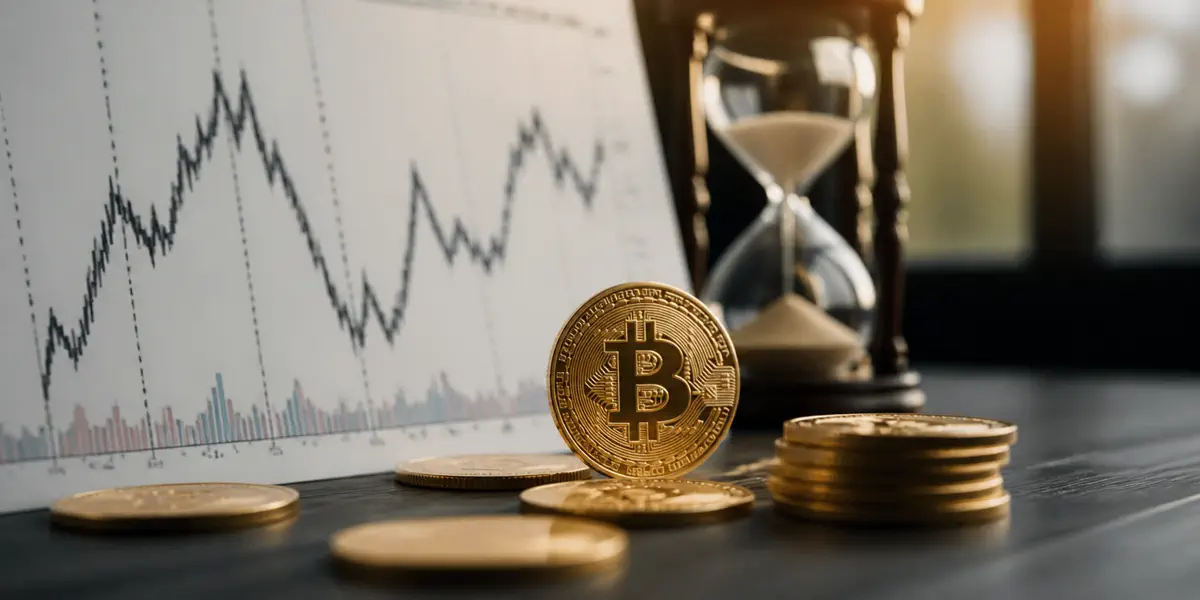
Bitcoin price cycles and halvings

The halving is a protocol rule: mining rewards get cut in half every ~210,000 blocks (~4 years). On April 19, 2024, the fourth halving dropped the per-block reward from 6.25 BTC to 3.125 BTC, and annual new supply (effective inflation) fell from about 1.7% to 0.85%.

Here's where everyone trips. The days right after a halving? Price barely moves. The supply cut is too gradual to register in short-term price. But the narrative cycle anchored on the halving fires every single time — in three straight cycles, the new all-time high landed 6 to 18 months after the halving.

In 2019, an anonymous analyst writing as "PlanB" dropped the Stock-to-Flow (S2F) model: since the ratio of existing supply to new supply doubles each halving, price should climb in lockstep. Clean, so it caught fire. Then the 2022 cycle smashed its headline call ($100K) head-on. Liu and Tsyvinski (2021, Review of Financial Studies) put it bluntly: Bitcoin returns are best explained by momentum and investor-attention proxies, while simple supply models like S2F have weak statistical support.

3. Macro liquidity — why Bitcoin is a "leveraged risk asset," not "digital gold"

가격 감각을 키우는 추측 게임 · 정답도 매매 신호가 아닙니다

2017년까지만 해도 비트코인은 전통 시장과 따로 놀았다. 상관계수 약 0.05, 사실상 무관. 그런데 2020년 코로나 직후 이 그림이 통째로 바뀐다. 비트코인과 S&P 500의 30일 롤링 상관계수가 2020년 3월 0.05에서 2022년 5월 0.66까지 치솟았다(Bloomberg).

범인은 거시 유동성 사이클과의 결합이다. 2020년 3월 Fed가 무제한 양적완화를 선언하자, 비트코인은 8개월 만에 $5,000에서 $40,000로 8배 뛰었다. 같은 기간 나스닥은 약 80% 올랐다. 방향은 같은데, 진폭만 10배쯤 부풀린 셈이다.

2022년 금리 인상기에는 같은 영화가 거꾸로 돌아갔다. Fed 기준금리가 0.25%에서 5.5%로 오르는 동안 비트코인은 $68,789에서 $15,632로 -77% 추락. 같은 기간 나스닥은 -36%였다. 또 '같은 방향, 더 큰 진폭'이다. International Monetary Fund의 2023년 Working Paper(Adrian et al.)는 이 결합을 한 마디로 'high-beta tech proxy with leverage characteristics'라 분류했다. 금이라기보단 레버리지 먹인 기술주에 가깝다는 얘기다. 이 대목은 그냥 지나치면 안 된다. '디지털 금'이라는 라벨만 믿고 위기 때 방패 삼으면 정반대로 얻어맞는다.

4. 정체성이 네 번 바뀐 코인

비트코인은 16년 동안 최소 네 번 다른 옷을 입었다. 그리고 옷이 바뀔 때마다 시장이 생각하는 '정상 가격대'가 통째로 리셋됐다.

정체성 1 — 사이퍼펑크 실험 (2009~2013). 초기 비트코인은 분산 화폐 기술 시연이자 사이퍼펑크 커뮤니티의 장난감이었다. Mt.Gox가 거래량의 80%를 처리하던 시절, 2013년 사이프러스 은행 위기 때 '대안 자산'이라는 말이 처음 붙었다.

정체성 2 — 다크넷 결제수단 (2011~2013). Silk Road가 돌아가던 2011~2013년, 비트코인의 익명성이 가장 눈에 띄던 시기다. 2013년 10월 FBI가 Silk Road를 닫고 26,000 BTC를 압수했다. 그 직후 가격은 일주일 만에 50% 빠졌다가 다시 회복했다. '범죄 자금'이라는 프레임은 2017년까지 미디어 보도의 기본 톤이었다.

정체성 3 — 개인 투기 자산 (2017~2020). 2017년 ICO 붐과 함께 비트코인은 '디지털 자산 클래스'의 입구가 됐다. 신규 유입이 터졌다. Coinbase는 2017년 12월 하루 만에 100,000개 신규 계정을 열었다. 지금 코인 들고 있는 사람들 대다수의 첫 비트코인 기억이 바로 이때 박혔다.

정체성 4 — 기관 준비자산 (2020~). 출발점은 2020년 8월, MicroStrategy(지금의 Strategy)가 $250M어치 비트코인을 재무제표에 올린 사건이다. 2021년 Tesla가 따라왔고, El Salvador가 법정화폐로 채택했고, 2024년 1월 BlackRock IBIT를 포함한 11개 spot ETF가 승인되며 속도가 붙었다. 2024년 한 해 ETF 순유입이 약 $35B, BlackRock IBIT는 역사상 가장 빨리 $50B AUM에 도달한 ETF가 됐다.

옷이 바뀔 때마다 '정상 가격대'가 점프했다. 2013년엔 $1,000이 '비싸다'였고, 2017년엔 $5,000이 '평범', 2024년엔 $60,000이 '정상 범위' 안으로 들어왔다. 다른 시기에 비트코인을 처음 만난 사람들이 다른 숫자를 기억으로 들고 있는 게 당연한 구조다.

5. 온체인 지표 — 가격 기억을 숫자로 바꾸는 도구

전통 자산과 달리 비트코인은 모든 거래가 공개 원장에 남는다. 이 데이터로 만든 'on-chain 지표'는 지금 사이클의 어디쯤 와 있는지를 감이 아니라 숫자로 보여준다. 알아둘 만한 네 가지.

  1. Market Cap vs Realized Cap. Realized Cap은 모든 BTC를 '마지막으로 이동한 가격'으로 평가한 합계다. Market Cap을 Realized Cap으로 나눈 MVRV가 3.5 이상이면 고점 영역, 1.0 미만이면 저점 영역. 2021년 11월 MVRV는 3.96, 2022년 11월엔 0.78이었다.
  2. NUPL (Net Unrealized Profit/Loss). 시장 전체의 미실현 손익 비율. 0.75 이상이면 'euphoria', 0 미만이면 'capitulation' 단계로 본다.
  3. Hash Rate. 네트워크 보안 수준. 2024년 5월 약 700 EH/s로 역대 최고였다. 채굴자 자본 지출이 늘면 약세장에서도 hash rate가 버틴다. 2022년 -77% 폭락장에서 오히려 hash rate가 올라간 게 그 예다.
  4. Long-Term Holder Supply. 155일 넘게 안 움직인 코인의 비율. 사이클 저점에선 60~70%까지 차오르고, 고점 근처에선 50~55%로 빠진다. 장기 보유자가 팔기 시작하는 순간이 고점 신호로 작동하는 경향이 있다.

학계에선 Cong, Li, Wang(2021, Review of Financial Studies)이 'tokenomics' 프레임워크를 세우며 온체인 데이터가 가격 정보를 얼마나 담는지 분석했다. 결론은 온체인 지표가 단기 가격을 맞히는 데는 약하지만, 사이클이 어느 단계인지 짚는 데는 통계적으로 유의미하다는 것이었다.

6. 24시간 시장, 그리고 압축되는 기억

주식 시장은 평일 6.5시간만 연다. 1년에 약 1,650시간. 비트코인은 1년 8,760시간 내내 돌아간다. 약 5.3배다. 그런데 이건 단순히 '거래 시간이 길다'가 아니다. 기억에 박힐 큰 변동의 기회가 5배 많다는 뜻이다.

한국 새벽 3시에 시작된 급락이 아침 뉴스로 들어오는 일 — 다른 자산보다 비트코인에서 훨씬 자주 벌어진다. Glassnode 2023년 분석을 보면, 일중 변동성이 가장 큰 구간은 미국 동부 09:30~10:30(미국 장 개장 직후)과 21:00~22:00(아시아 장 활성화)다. 한국 시간으로 옮기면 22:30~23:30, 10:00~11:00. 두 피크가 전부 한국 사람의 일상 시간대 한복판에 걸린다. 그래서 한국 사용자의 가격 기억이 유독 진하게 박힌다.

7. 2024년 ETF 시대 — 가격 형성 메커니즘이 바뀌었다

2024년 1월 10일, SEC가 11개 spot Bitcoin ETF를 승인했다. 사이클 분석에 새 변수가 끼어든 날이다. BlackRock IBIT, Fidelity FBTC, ARK 21Shares ARKB가 동시에 출시됐고, 첫 거래일 거래량만 약 $4.6B였다.

2024년 한 해 ETF 누적 순유입은 약 $35B. 같은 기간 새로 캐낸 비트코인은 약 165,000 BTC, 평균가 기준 약 $11B 상당이었다. 계산해 보면 ETF 수요가 신규 공급의 약 3배를 빨아들인 셈이다. 4차 사이클이 반감기 이전에 신고점을 찍은 이유, 가장 깔끔한 설명이 바로 이 수요-공급 비대칭이다. 비트코인 역사상 처음 있는 일이었다.

ETF가 바꾼 게 하나 더 있다. 가격이 만들어지는 시간대다. 예전엔 아시아 거래 시간(코스피와 일부 겹친다)이 가격 형성을 주도했는데, 2024년 이후로는 미국 시간 09:30~16:00의 기여도가 65% 이상으로 급증했다(Glassnode 2024 보고서). 미국 ETF 자금이 미국 거래 시간에 흘러들어오니까.

8. 가격 기억을 '범위 감각'으로 바꾸는 4단계 훈련법

  1. 4사이클 숫자 외우기. 위 표의 8개 숫자(고점 4 + 저점 4)를 머리에 넣어두면, 새 헤드라인 가격이 뜰 때 사이클 어디쯤인지 즉시 매핑된다.
  2. BTC와 ETH 같이 추적. 같은 시점의 BTC/ETH를 함께 떠올리는 습관이 상대 스케일 감각을 만든다. ETH/BTC 비율은 2024년 약 0.045, 2021년 고점기 0.085, 2019년 저점기 0.018이었다.
  3. USD와 KRW 병행. $60,000을 늘 약 8,000만원으로 환산하는 버릇. 환율이 정상 범위(1,300~1,450)일 때 원화 가격 직관이 붙는다.
  4. 온체인 지표 하나만. MVRV든 NUPL이든 하나 골라 매월 한 번 Glassnode 무료 차트로 확인. 사이클 위치 감각이 가격 숫자보다 정확할 때가 많다.

이 네 가지를 6개월만 우직하게 하면, "지금 비트코인 얼마야"라는 기습 질문에 평균 ±15% 안으로 답할 수 있게 된다. PriceGuess Crypto Quiz는 똑같은 효과를 강제 인출 연습 형식으로 압축해 놓은 거다.

Through 2017, Bitcoin did its own thing — correlation with traditional markets near zero (30-day rolling ~0.05). Then March 2020 hit and the whole picture flipped. The 30-day rolling correlation between Bitcoin and the S&P 500 went from 0.05 in March 2020 to 0.66 in May 2022 (Bloomberg).

The culprit was the macro liquidity cycle. Right after the Fed announced unlimited QE in March 2020, Bitcoin ran 8× — $5,000 to $40,000 — in eight months. The Nasdaq rose ~80% over the same stretch. Same direction, the amplitude blown up roughly tenfold.

The 2022 rate-hike cycle ran the same movie in reverse. The Fed funds rate climbed from 0.25% to 5.5%; Bitcoin fell from $68,789 to $15,632 (-77%) while the Nasdaq dropped -36%. Same direction, bigger swing, again. The IMF's 2023 working paper by Adrian and co-authors filed the whole thing under "high-beta tech proxy with leverage characteristics" — closer to leveraged tech than to gold. Personally this is the line that matters most. Trust the "digital gold" label and reach for it as a shield in a crisis, and it tends to hit you instead.

4. The coin that changed identity four times

Bitcoin has worn at least four different outfits in 16 years. Each time the outfit changed, the market's idea of a "normal" price got reset from scratch.

Identity 1 — Cypherpunk experiment (2009–2013). Early Bitcoin was a tech demo for distributed currency and a cypherpunk-community toy. Back when Mt.Gox handled ~80% of trading volume, the 2013 Cyprus banking crisis was the first time the "alternative asset" framing surfaced.

Identity 2 — Darknet payment (2011–2013). While the Silk Road ran from 2011 to 2013, Bitcoin's anonymity was at its most visible. In October 2013 the FBI shut Silk Road down and seized 26,000 BTC. Right after, the price dropped 50% in a week, then recovered. The "criminal money" frame stayed the default press tone through 2017.

Identity 3 — Retail speculation (2017–2020). The 2017 ICO boom turned Bitcoin into the front door of a whole asset class. New users poured in. Coinbase opened more than 100,000 new accounts in a single day in December 2017. The price memory that formed here is the first Bitcoin most current holders ever met.

Identity 4 — Institutional reserve (2020–). The starting gun was August 2020, when MicroStrategy (now Strategy) put $250M of Bitcoin on its balance sheet. Tesla followed in 2021, El Salvador adopted it as legal tender, and 11 U.S. spot ETFs launched in January 2024, hitting the accelerator. ETF net inflows topped ~$35B in 2024, and BlackRock's IBIT became the fastest ETF in history to reach $50B AUM.

Every wardrobe change jumped the "normal range." $1,000 felt expensive in 2013, $5,000 felt unremarkable in 2017, and $60,000 reads as normal in 2024. People who met Bitcoin in different identity windows are simply holding different numbers in memory.

5. On-chain metrics — turning price memory into numbers

Unlike traditional assets, every Bitcoin transaction lands on a public ledger. The "on-chain" metrics built from that data show where the cycle stands as a number, not a hunch. Four worth knowing.

  1. Market Cap vs Realized Cap. Realized Cap values every BTC at the price it last moved on-chain. Market Cap divided by Realized Cap gives MVRV. Above 3.5 is cycle-top territory; below 1.0 is cycle-bottom. Nov 2021 MVRV was 3.96; Nov 2022 was 0.78.
  2. NUPL (Net Unrealized Profit/Loss). The market-wide unrealized PnL ratio. Above 0.75 is "euphoria"; below 0 is "capitulation."
  3. Hash Rate. Network security level. ~700 EH/s as of May 2024, an all-time high. When miner capex is rising, hash rate holds up even in a bear market — it actually increased during the 2022 -77% drawdown.
  4. Long-Term Holder Supply. Share of coins untouched for more than 155 days. It fills up to 60–70% at cycle bottoms and drains to 50–55% near tops. The moment long-term holders start selling tends to act as a top signal.

On the academic side, Cong, Li, and Wang (2021, Review of Financial Studies) built a tokenomics framework analyzing how much price information on-chain data carries. Their verdict: on-chain metrics are weak at predicting short-term price but statistically meaningful for pinning down which cycle phase you're in.

6. A 24/7 market, and memory compressed

Equity markets open 6.5 hours a business day — about 1,650 hours a year. Bitcoin runs all 8,760 hours, roughly 5.3× as much. But this isn't just "longer hours." It means 5× as many chances for a memorable move to happen.

A plunge that starts at 3 a.m. Korean time and lands in the morning news — that happens far more with Bitcoin than with equities. A Glassnode 2023 analysis found the biggest intraday volatility in two windows: 9:30–10:30 ET (U.S. open) and 21:00–22:00 ET (Asian session waking up). Convert to Korean time and those peaks fall at 22:30–23:30 and 10:00–11:00 — both sitting right in the middle of Korean users' waking hours. That's a big part of why Korean Bitcoin memory tends to be so vivid.

7. The 2024 ETF era — the price-formation machine changed

On January 10, 2024, the SEC approved 11 spot Bitcoin ETFs — the day a new variable wedged itself into cycle analysis. BlackRock IBIT, Fidelity FBTC, and ARK 21Shares ARKB launched together, with first-day volume alone hitting ~$4.6B.

Cumulative net inflows to spot ETFs in 2024 ran ~$35B. Newly mined Bitcoin over the same year totaled ~165,000 BTC, about $11B at average prices. Do the math and ETF demand soaked up roughly 3× the new supply. That demand-supply asymmetry is the cleanest explanation for why cycle 4 hit its high before the halving — a first in Bitcoin's history.

The ETF era shifted one more thing: when price actually gets made. Asia hours (overlapping part of the KOSPI session) used to lead price formation. Since 2024, the U.S. 9:30–16:00 window accounts for more than 65% of it (Glassnode 2024 report), because ETF flows arrive during U.S. trading hours.

8. A four-step drill to convert price memory into range intuition

  1. Memorize the eight cycle numbers (four highs, four lows). When a new price headline drops, you can map it onto a cycle position instantly.
  2. Track BTC and ETH together. Holding both prices at the same moment builds relative-scale intuition. The ETH/BTC ratio sat around 0.045 in 2024, peaked near 0.085 at the 2021 high, and bottomed near 0.018 at the 2019 low.
  3. Read it in USD and KRW. Get in the habit of converting $60,000 to ~80M KRW. When FX is in a normal range (1,300–1,450), your won intuition starts to stick.
  4. Track exactly one on-chain metric. Pick MVRV or NUPL, glance at Glassnode's free chart once a month. Cycle position is often clearer than the spot price itself.

Run this drill honestly for six months and you'll answer the cold "what's Bitcoin worth right now" question to within ±15% of the average. PriceGuess's Crypto Quiz compresses the exact same effect into a forced-retrieval format.
🎮 직접 플레이해보세요

새 글과 시장 메모를 계속 받아보세요 — 📡 RSS 구독 · 📰 시장 메모 · 📅 오늘의 퀴즈