일상쉬움
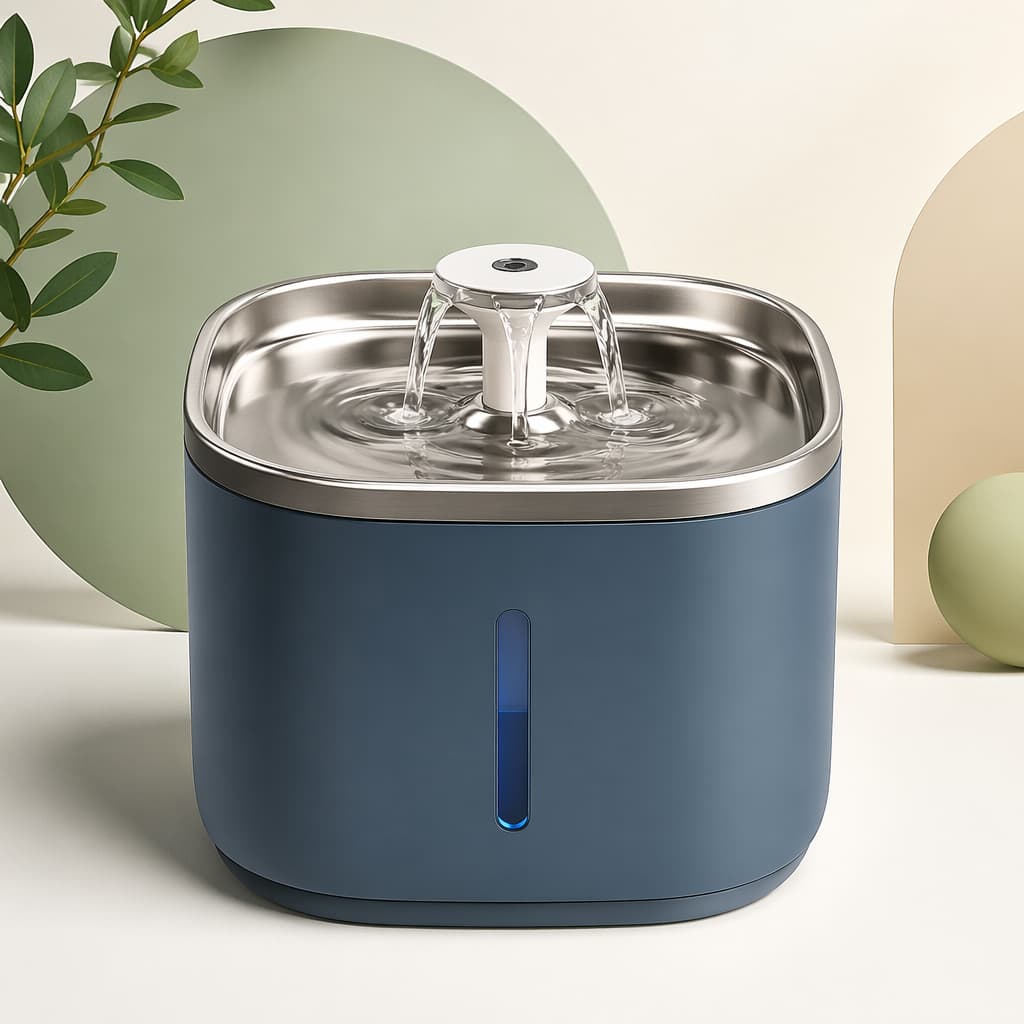
저소음 펫 정수기
조용한 펌프와 스테인리스 상판을 갖춘 필터형 반려동물 급수기입니다.
2L 물탱크
교체형 필터
스테인리스 상판
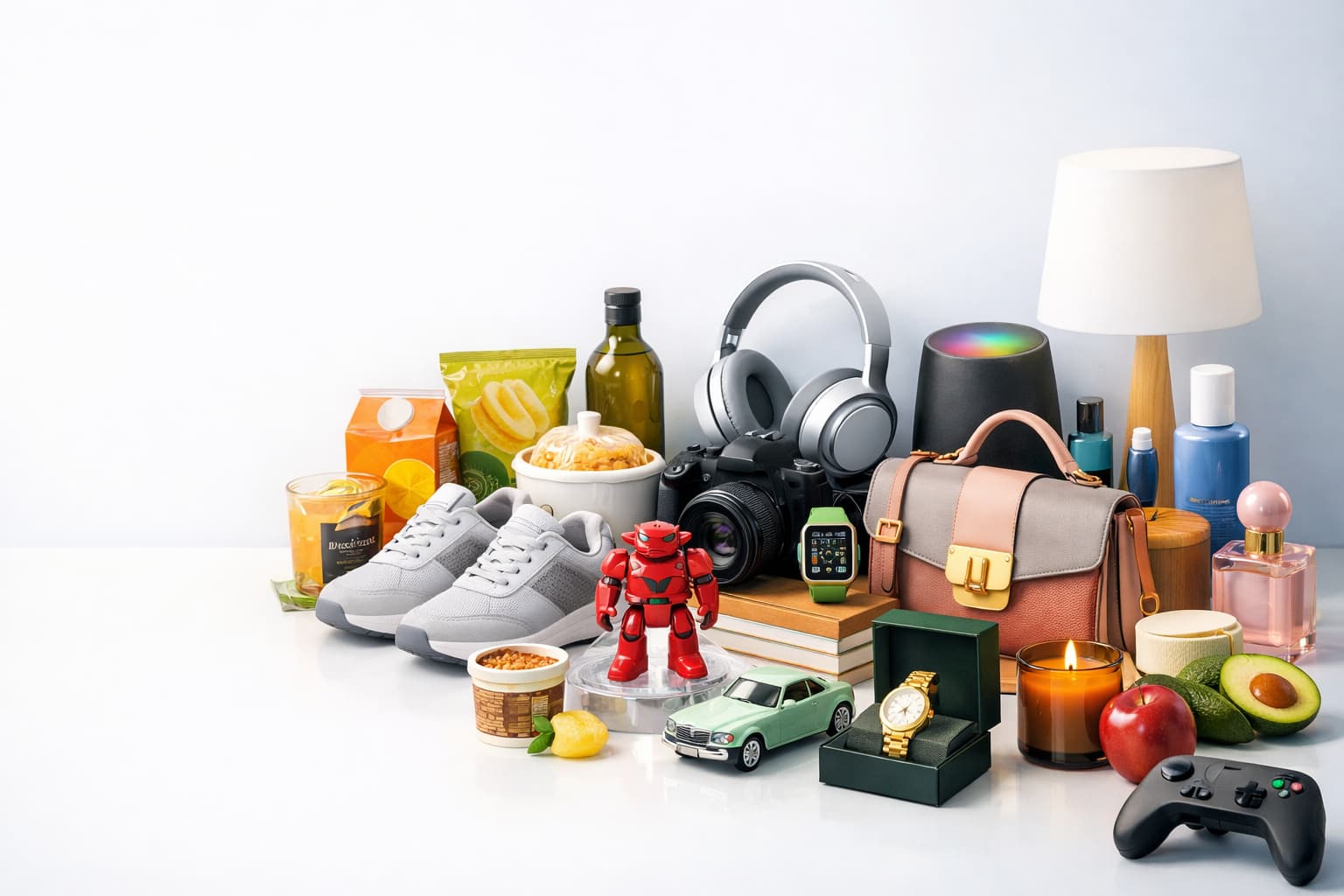
전자기기, 생활용품, 수집품, 식료품, 패션, 일상 상품까지 가상의 상품 카드를 보고 적정 가격대를 맞혀보세요.
가격 감각을 키우는 추측 게임 · 정답도 매매 신호가 아닙니다
조용한 펌프와 스테인리스 상판을 갖춘 필터형 반려동물 급수기입니다.
2L 물탱크
교체형 필터
스테인리스 상판
이 게임은 본격적인 가격 추정에 앞서 카테고리별 '가격대 감각'을 가볍게 풀어 보는 워밍업이라고 생각하시면 좋습니다. 노트북, 신발, 시계, 헤드폰처럼 익숙한 물건 카드를 보고 정확한 한 자리 숫자가 아니라 '대략 어느 구간에 들어갈까'를 4지선다로 골라 보는데요. 정확한 값을 맞히는 것보다 합리적인 범위를 빠르게 좁히는 연습이라, 부담 없이 직관을 시험하면서도 같은 카테고리 안에서 브랜드와 사양이 가격을 어떻게 갈라놓는지 자연스럽게 익히게 됩니다. 6라운드가 끝나면 S부터 F까지 등급이 바로 나오기 때문에, 짧은 피드백 루프를 통해 어느 분야의 감이 약한지 즉시 확인하고 다시 도전하기 좋습니다. 여기서 다듬은 '구간 감각'은 이후 더 정밀한 모드에서 실제 시세를 추정할 때 든든한 출발점이 되어 줍니다.Think of this game as a light warm-up for your category-level price sense before tackling more serious estimation. You look at familiar item cards — laptops, sneakers, watches, headphones — and rather than naming an exact figure, you pick from four options which range it likely falls into. Because it trains you to narrow down a reasonable band quickly rather than nail a precise number, you can test your intuition without pressure while absorbing how brand and specs split prices apart within a single category. After six rounds you get an instant S-to-F grade, so this tight feedback loop lets you immediately spot where your instincts are weak and try again. The 'range sense' you sharpen here becomes a solid starting point for estimating real market prices in the more precise modes later on.
가격 맞히기 아레나는 가상의 소비재 카드를 보고 적정 가격대를 추측하는 빠른 가격 감각 게임입니다. 목표는 실제 재판매가를 예측하는 것이 아니라, 소재, 크기, 카테고리, 포장, 희소성, 휴대성, 포함된 기능처럼 소비재 가격을 움직이는 단서를 읽어보는 것입니다.
전자기기
소형 기기, 연결 제품, 휴대용 가젯의 가격 감각을 테스트합니다.
생활용품
주방, 수납, 조명, 청소처럼 집에서 자주 쓰는 제품을 다룹니다.
수집품
한정판, 취미용품, 패키징 프리미엄이 붙는 상품을 살펴봅니다.
식료품
프리미엄 식재료와 장바구니에서 헷갈리기 쉬운 상품을 고릅니다.
패션
소재, 마감, 기능성이 가격에 반영되는 의류와 잡화를 다룹니다.
일상 상품
가격 기준을 잡기 애매한 다양한 소비재를 빠르게 비교합니다.
아닙니다. 모든 상품은 게임용으로 만든 가상의 콘셉트입니다. 특정 브랜드나 실제 재판매가를 암시하지 않도록 구성했습니다.
아닙니다. 정답 가격대는 오락·학습용 대표값입니다. 실제 구매가, 판매가, 재판매가를 보장하지 않습니다.
네. 현재 진행 상황, 최고 점수, 플레이 횟수는 이 브라우저의 localStorage에만 저장됩니다.
네. 최종 화면에서 점수, 랭크, 라운드별 등급이 담긴 공유 문구를 복사할 수 있습니다.
가상의 소비재 카드 6개를 차례로 보고, 각 카드의 가격대를 4지선다로 맞히는 게임입니다. 노트북·신발·시계·헤드폰처럼 일상에서 접하는 카테고리를 다루며, 라운드별 정답 횟수가 누적되어 최종 등급(S~F)이 결정됩니다.
편의점 음료는 100원 단위까지 맞히면서 1온스 금값을 물으면 머리가 하얘진다. 머리가 나빠서가 아니다. 뇌는 가격을 '정확한 숫자'가 아니라 '자주 본 패턴'으로 저장하기 때문에, 익숙한 카테고리 바깥에선 직관이 그냥 멈춘다. 더 흥미로운 건 이 멈춤이 똑똑함과 거의 상관없다는 거다. Stanovich와 West(2008)는 SAT 상위 25%와 하위 25% 학생을 비교했는데, 앵커링·기저율 무시 같은 편향 발생률 차이가 미미하거나 사실상 없었다. '나는 똑똑하니까 안 당해'에는 통계적 근거가 없다는 얘기다.
그러니 가격 추정은 IQ 테스트가 아니라 캘리브레이션이다. 내 직관의 눈금을 실제 분포에 맞추는 일. 사격으로 치면 명중률이 아니라 영점 조정이다. 한 발 한 발 어디로 빗나가는지 봐야 다음 발이 가운데로 모인다. Arena가 6라운드 안에 정답을 즉시 까고 S~F 등급을 바로 띄우는 이유가 이거다. 추정 → 정답 확인 → 오차 인지로 도는 짧은 루프가, 눈금을 다시 깎는 줄이다.
핵심은 '테스트 효과(testing effect)'다. Roediger와 Karpicke(2006)는 같은 자료를 그냥 반복해 읽은 그룹과, 읽은 뒤 스스로 떠올려 답하는 시험을 본 그룹을 비교했다. 일주일 뒤 장기 기억 보존율은 인출 시험 그룹이 단순 반복 그룹보다 약 50% 높았다. 머릿속에서 답을 한 번 끌어내고 맞았는지 즉시 확인하는 행위가, 정답표를 멍하니 보는 것보다 훨씬 깊게 박힌다.
가격에 붙이면 효과가 세진다. 노트북 카드를 보고 '60만 원대'라 찍었는데 실제가 110만 원대였다고 바로 알면, 뇌는 정답을 외우는 게 아니라 '내 추정이 어느 방향으로 빗나갔나'를 기록한다. 다음에 비슷한 사양이 나오면 그 오차 방향이 보정값으로 자동 호출된다. 반대로 추정 없이 답만 보면 이 보정이 안 생긴다. 카드 보자마자 정답을 까는 것보다, 단 몇 초라도 직접 구간을 골라보는 쪽이 학습 효율에서 압도적으로 앞선다.
가격 감각은 카테고리마다 따로 큰다. 신발은 잘 맞히면서 시계는 매번 절반 가격으로 찍는 사람, 흔하다. 가용성 휴리스틱(Tversky·Kahneman 1973) 때문이다. 자주 접한 카테고리는 분포를 촘촘히 기억하지만, 어쩌다 헤드라인으로만 본 카테고리는 극단치 한두 개로 추정한다. 명품 시계를 '뉴스에서 본 1억짜리 롤렉스'로만 기억하면 정작 흔한 가격대를 통째로 놓친다.
한 도메인만 파면 이 편향이 안 보인다. 부동산 추정만 100판 돌린 사람은 부동산 눈금만 정밀해지고, 헤드폰·가전·소비재에서 자기가 얼마나 빗나가는지는 영영 모른다. Arena처럼 노트북·신발·시계·헤드폰을 한 세션에 섞어 던지면 도메인 간 오차 편차가 한눈에 드러난다. 아래 표는 같은 사람이 카테고리별로 다른 오차 패턴을 보일 수 있다는 예시다.
| 카테고리 | 전형적 오차 방향 | 숨은 원인 |
|---|---|---|
| 노트북 | 거의 정확 | 최근 직접 구매·검색 경험 풍부 |
| 운동화 | 약간 과대평가 | 한정판 리셀가가 앵커로 작동 |
| 손목시계 | 크게 과대평가 | 명품 극단치만 기억(가용성 편향) |
| 헤드폰 | 과소평가 | 저가 이어폰 경험이 기준점 고정 |
흩어진 오차를 본인 눈으로 확인하는 순간, 학습의 초점이 '운으로 한 판 더 맞히기'에서 '내 약한 카테고리 좁히기'로 옮겨간다. 점수는 정답이 아니라 진단표다. C 등급이 나왔다는 사실보다, 6라운드 중 시계와 가전에서만 틀렸다는 사실이 훨씬 값지다.
Arena가 정확한 한 자리 숫자가 아니라 4지선다 가격대를 묻는 건 의도된 설계다. 전문가도 단일 숫자보다 범위에서 더 정확하다. '최소~최대' 폭을 먼저 잡고 그 안을 좁히는 순서가, 처음부터 한 점을 찍는 것보다 앵커링에 덜 휘둘린다. 재밌는 건 구간이 좁을수록 게임이 어려워진다는 거다. 폭이 넓으면 대충 찍어도 들어가지만, 인접한 두 구간 사이에서 갈릴 땐 그 카테고리의 분포를 진짜로 알아야 한다. 이 난이도 차이를 직접 느끼는 게 곧 자기 감각의 해상도를 재는 일이다.
✍️ 운영자 한마디 — 처음엔 나도 S 등급 받겠다고 점수에만 매달렸다. 그런데 어느 순간 점수엔 운빨도 섞인다는 걸 깨달았다. 진짜로 는 건 등급표를 무시하고 '나 또 시계에서 틀렸네'를 세 판 연속 확인하면서부터였다. 요즘은 일부러 자신 없는 카테고리가 많이 나올 때까지 다시 돌린다. 뻔한 소리지만, 잘 맞히는 걸 또 맞히는 건 연습이 아니라 자랑이고, 자주 틀리는 데를 마주 보는 게 연습이다.
최종 등급은 잊어도 된다. 매 라운드 구간을 고르기 전에 '왜 이 구간이라고 생각하나'를 반 박자 멈춰 떠올린 뒤 선택하라. 틀렸을 땐 '몇 점 깎였나'가 아니라 '높게 봤나 낮게 봤나, 어느 카테고리였나'를 기록하듯 의식한다. 같은 카테고리에서 두세 번 연속 같은 방향으로 빗나가면, 그게 바로 보정해야 할 당신의 편향이다. 그 패턴을 한 번 잡고 다시 도전하면, 다음 세션에서 같은 카테고리의 오차가 눈에 띄게 줄어드는 걸 체감한다. 그게 가격 감각이 캘리브레이션되는 순간이다.
Arena 모드는 학습 목적의 가상 상품 카드만 사용합니다. 실제 출시 제품이 아니며, 가격대는 동종 카테고리의 일반적 시장가를 참고해 설정했습니다.
실제 상품이 아니므로 정확한 시세를 학습하는 모드는 아닙니다. 카테고리별 '가격대 감각'을 가볍게 다지는 워밍업 모드로 사용하세요. 실거래가 학습은 Shopping이나 Daily 모드를 권장합니다.
실제 상품 가격은 시간에 따라 바뀌고 라이선스 이슈가 있습니다. 가상 상품을 쓰면 정답이 안정적이고, 게임 디자인에 집중할 수 있습니다.
⚠ 교육·엔터테인먼트용 게임입니다. 어떤 자산에 대한 매수·매도·보유 권유가 아니며 수익을 보장하지 않습니다. 실제 투자 결정은 규제 받는 중개사·공식 공시·자격 있는 전문가 자문을 직접 참고하세요.
Six rounds, one fictional product card each. Pick its price range from four options. Categories cover everyday goods — laptops, sneakers, watches, headphones — and your correct count across rounds determines the final grade (S–F).
You can nail a convenience-store drink to the nearest dime, but ask for the price of an ounce of gold and your mind goes blank. It isn't about being smart. The brain stores prices as familiar patterns, not precise numbers, so outside familiar categories intuition just stalls. The striking part is how little that stalling has to do with intelligence. Stanovich and West (2008) compared the top 25% and bottom 25% of SAT scorers and found the difference in bias rates such as anchoring and base-rate neglect was minimal or nonexistent. \"I'm smart, so I won't fall for it\" has no statistical backing.
So price estimation is calibration, not an IQ test, the work of aligning your intuition's gauge to the real distribution. In shooting terms, it's not accuracy but zeroing your sights. You have to see where each shot drifts before the next ones cluster in the center. That's exactly why Arena reveals the answer instantly within six rounds and throws up an S-to-F grade right away. The short loop of estimate, check, recognize the error is the file that re-cuts your gauge.
The key is the \"testing effect.\" Roediger and Karpicke (2006) compared a group that simply reread the same material with a group that took a retrieval test after reading. A week later, long-term retention was about 50% higher in the testing group than in the rereading group. Pulling an answer out of your head and immediately checking whether it was right embeds far more deeply than staring at the answer key.
Bolt this onto prices and it gets potent. Guess \"around 600 dollars\" for a laptop card and instantly learn it was actually in the 1,100-dollar range, and your brain doesn't memorize the answer; it logs which direction your estimate missed. The next time a similarly specced card shows up, that error direction is recalled automatically as a correction. See the answer without estimating first, and that correction never forms. Committing to a range yourself for even a few seconds beats flipping straight to the answer, by a wide margin in learning efficiency.
Price sense grows separately for each category. Plenty of people nail shoes yet guess watches at half their real price every time. That's the availability heuristic (Tversky and Kahneman, 1973) at work. We remember the distribution of categories we meet often in fine detail, but estimate rarely seen ones from one or two extreme headline values. Remember luxury watches only as \"the 100,000-dollar Rolex from the news\" and you miss the entire common price band.
Train only one domain and the bias stays invisible. Someone who has run 100 real-estate estimation rounds sharpens only their real-estate gauge and never learns how far off they are on headphones, appliances, or consumer goods. A structure like Arena, which throws laptops, shoes, watches, and headphones into one session, lays bare the variance in error across domains. The table below shows how one person might run different error patterns by category.
| Category | Typical error direction | Hidden cause |
|---|---|---|
| Laptops | Nearly accurate | Rich recent buying and search experience |
| Sneakers | Slight overestimate | Limited-edition resale prices act as anchor |
| Wristwatches | Large overestimate | Only luxury extremes remembered (availability bias) |
| Headphones | Underestimate | Cheap-earbud experience fixes the reference point |
The moment you see those scattered errors with your own eyes, learning shifts from \"get lucky and nail one more round\" to \"narrow down my weak categories.\" The score isn't the answer; it's a diagnostic chart. That you got a C grade matters far less than the fact that, of six rounds, you only missed on watches and appliances.
Arena asking for a four-choice price band rather than an exact single number is deliberate design. Even experts are more accurate with a range than a single number. Setting a \"min-to-max\" width first and then narrowing within it is less swayed by anchoring than picking one point from the start. Here's the interesting part: the narrower the band, the harder the game gets. With a wide band you can guess loosely and still land inside, but when the call is between two adjacent bands you actually have to know that category's distribution. Feeling that difficulty difference firsthand is itself a measurement of your own resolution.
✍️ Operator's note — At first I chased the S grade too, fixated on the score — until at some point I realized the score has luck baked in. What actually improved me was ignoring the grade chart and noticing \"I missed watches again\" three rounds in a row. These days I deliberately replay until plenty of my shaky categories show up. Obvious as it sounds: nailing what you're already good at is bragging, not practice; facing where you keep missing is practice.
You can forget the final grade. Before choosing a band each round, pause half a beat and recall \"why do I think it's this band\" before selecting. When you're wrong, consciously note not \"how many points I lost\" but \"did I go high or low, and which category.\" If you miss the same category in the same direction two or three times in a row, that is precisely the bias you need to correct. Catch that pattern once and challenge again, and you'll feel the error in that category shrink noticeably in the next session. That's the moment your price sense gets calibrated.
Arena uses fictional product cards for teaching purposes only. None are real listings — price ranges are calibrated against typical market values for similar categories.
These aren't real products, so this isn't the mode to learn exact market prices. Treat it as a warm-up for category-level price feel. For real prices, use Shopping or Daily.
Real-product pricing changes constantly and carries licensing risk. Fictional items let us keep the answer stable and focus on game design.
⚠ Educational and entertainment-only game. Nothing here is a buy/sell/hold recommendation, and no returns are guaranteed. For real money decisions, consult licensed brokers, official filings, and qualified advisors directly.